Sewing and embroidery reference
Fabric Guide
Learn to recognise common fabrics and see practical sewing and embroidery advice for each one.
Search by fabric name, common alias, characteristic or use.
Stable woven fabrics
13 fabrics
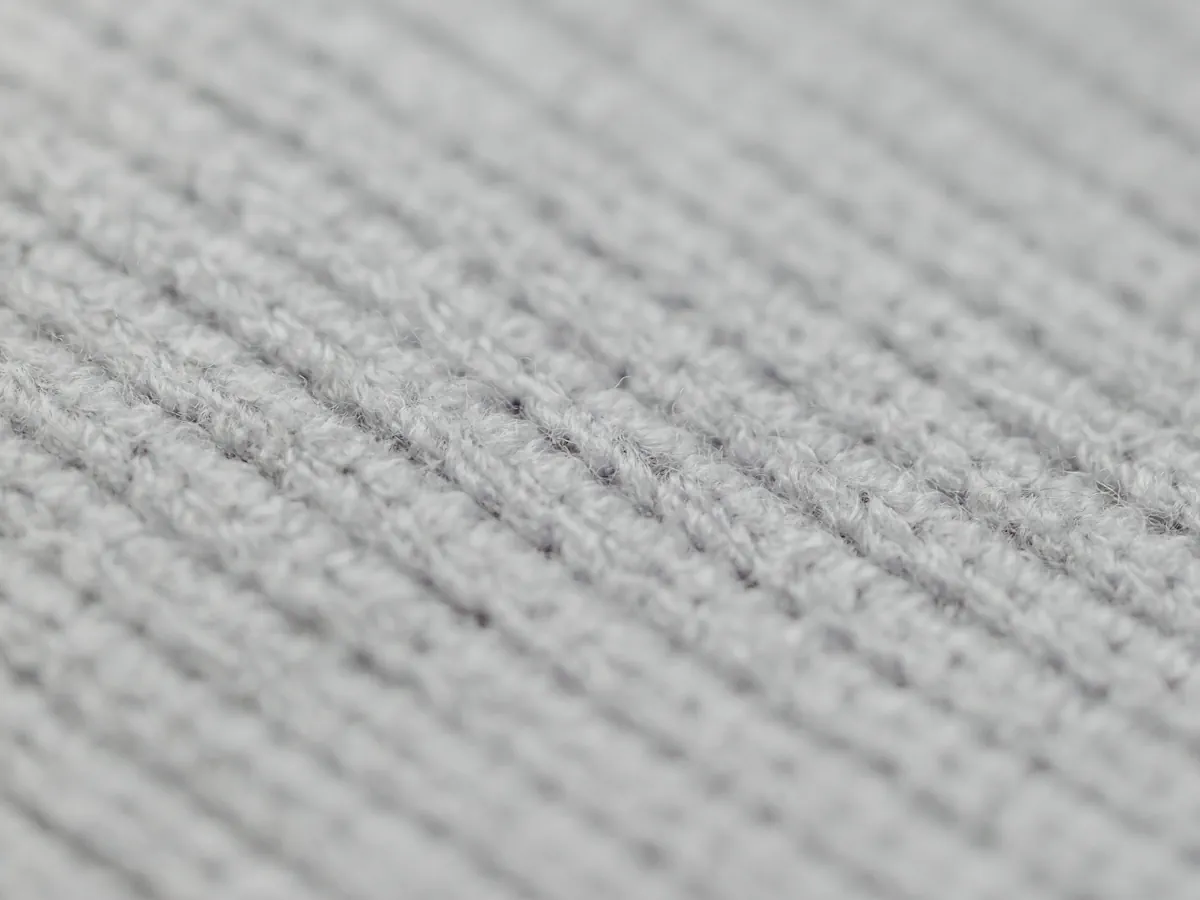 Quilting cottonA medium-light plain-weave cotton with a crisp hand, low stretch and enough stability for accurate piecing and general craft sewing.View fabric
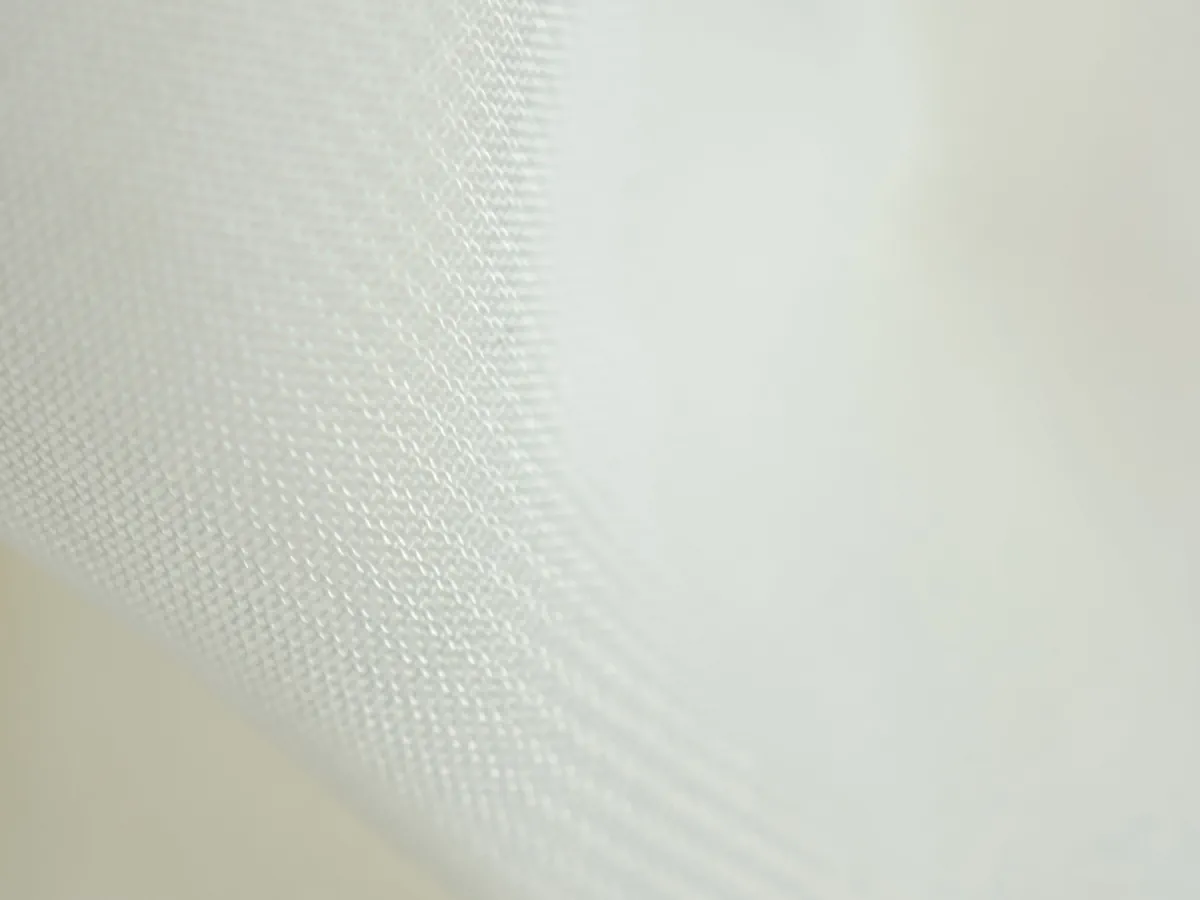 Cotton broadclothA smooth, tightly woven cotton with a fine crosswise rib, light-to-medium weight and a neat, slightly crisp finish.View fabric
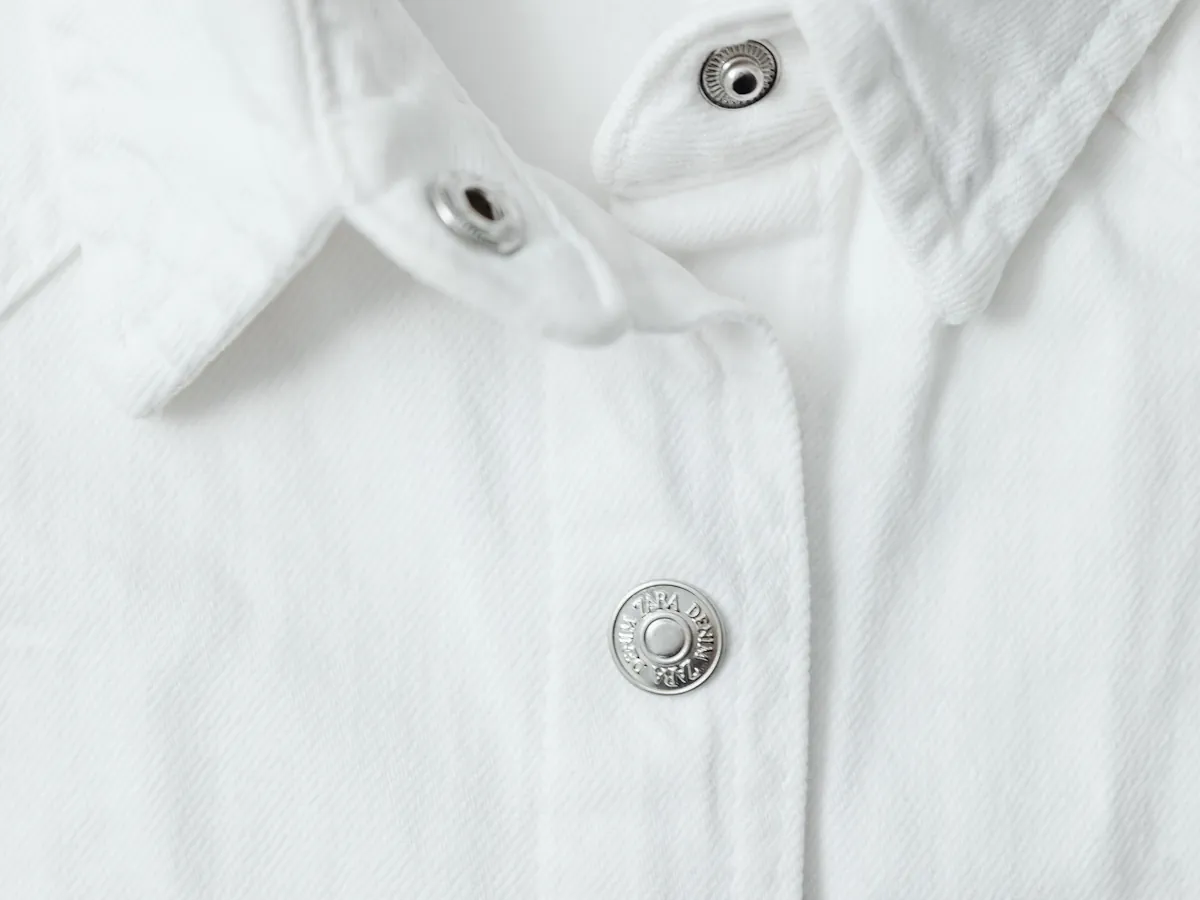 PoplinA closely woven fabric with a subtle rib, smooth surface and crisp drape, commonly made from cotton or cotton blends.View fabric
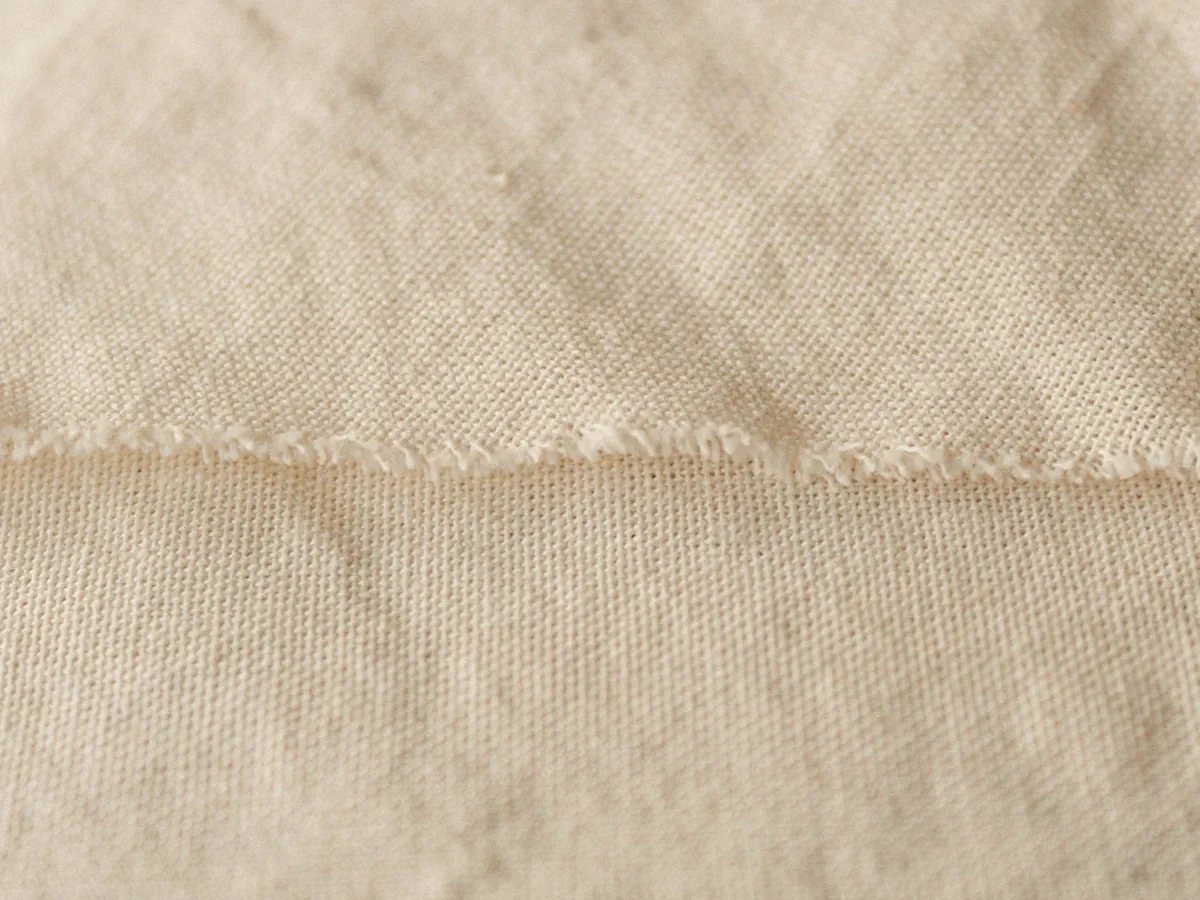 CalicoAn inexpensive plain-weave cotton, often unbleached, with a firm handle and visible natural flecks.View fabric
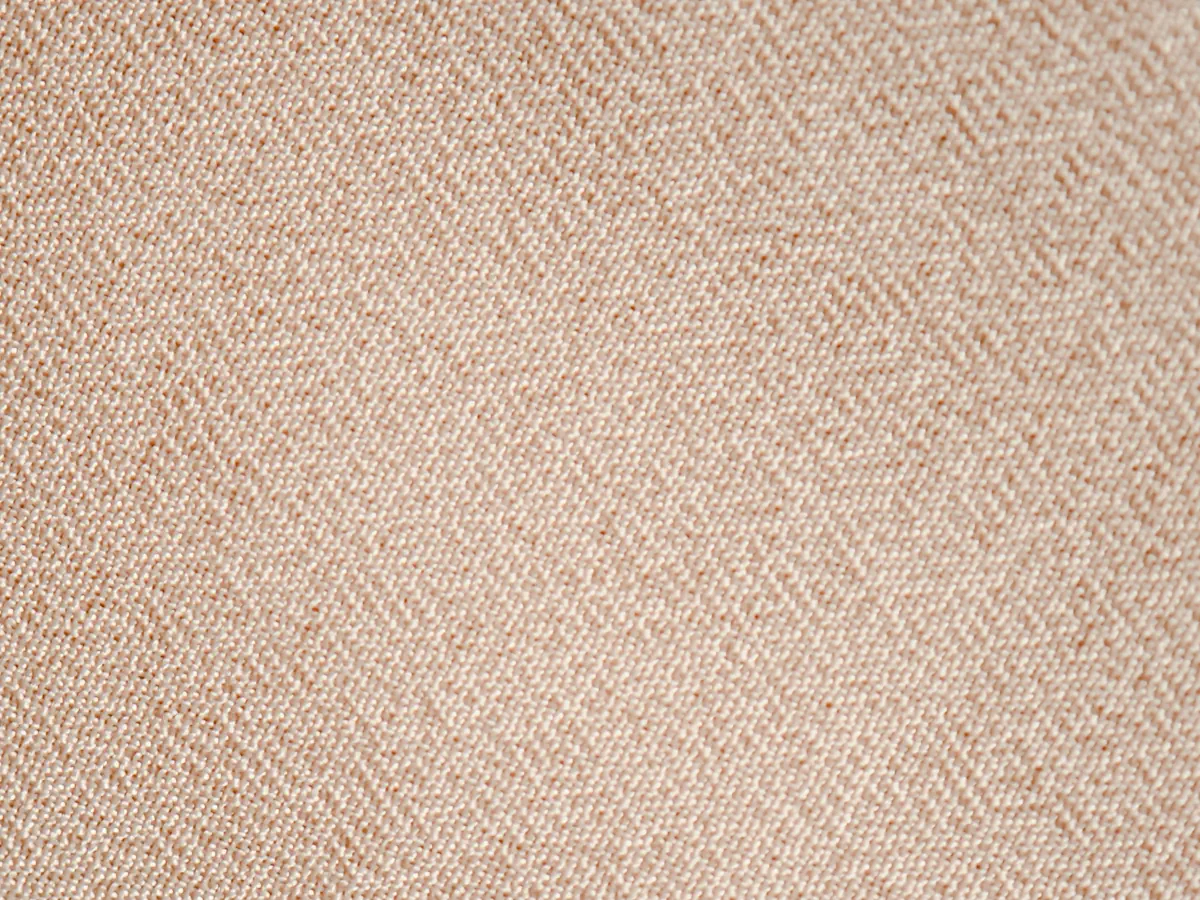 MuslinA plain-weave cotton available from fine and soft to coarse and open, usually lightweight and breathable.View fabric
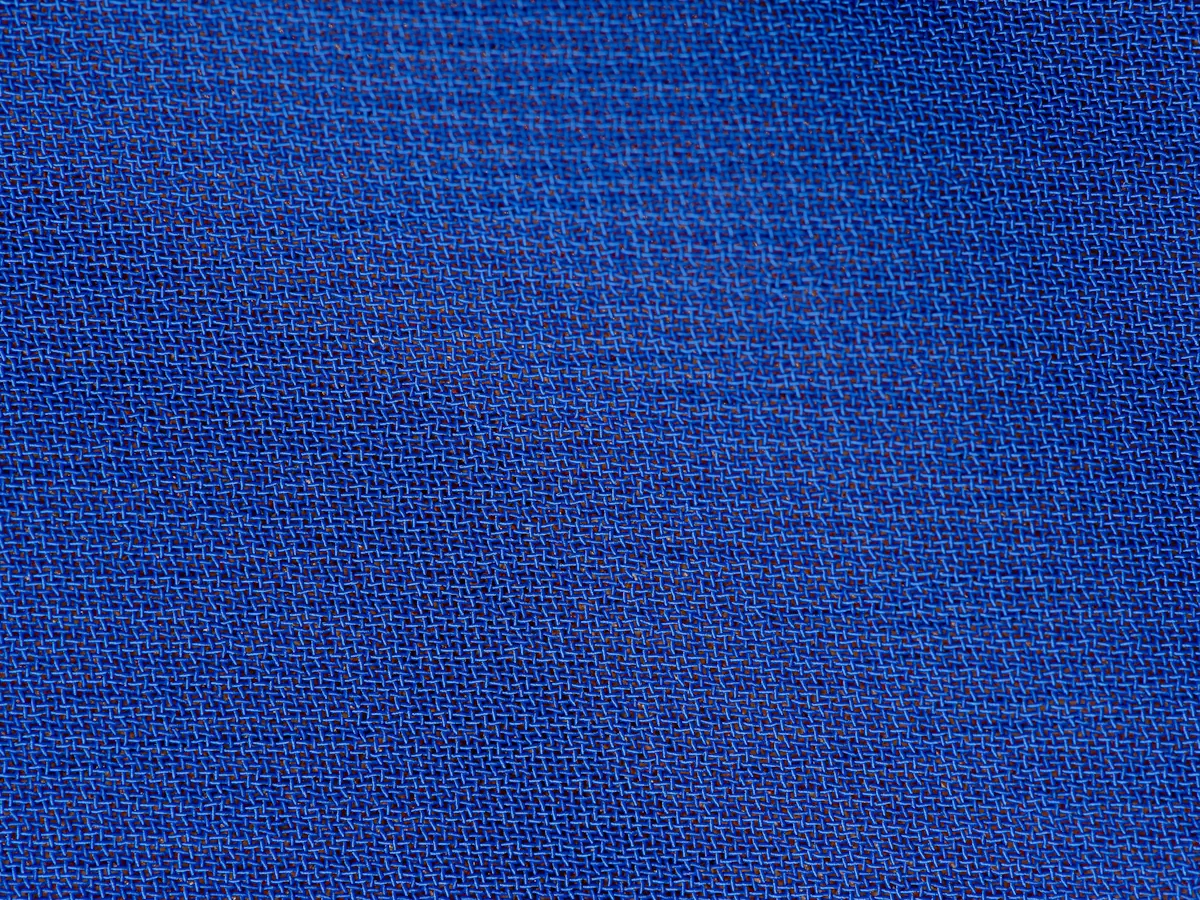 ChambrayA lightweight woven fabric using a coloured warp and pale weft, giving a denim-like appearance with a softer drape.View fabric
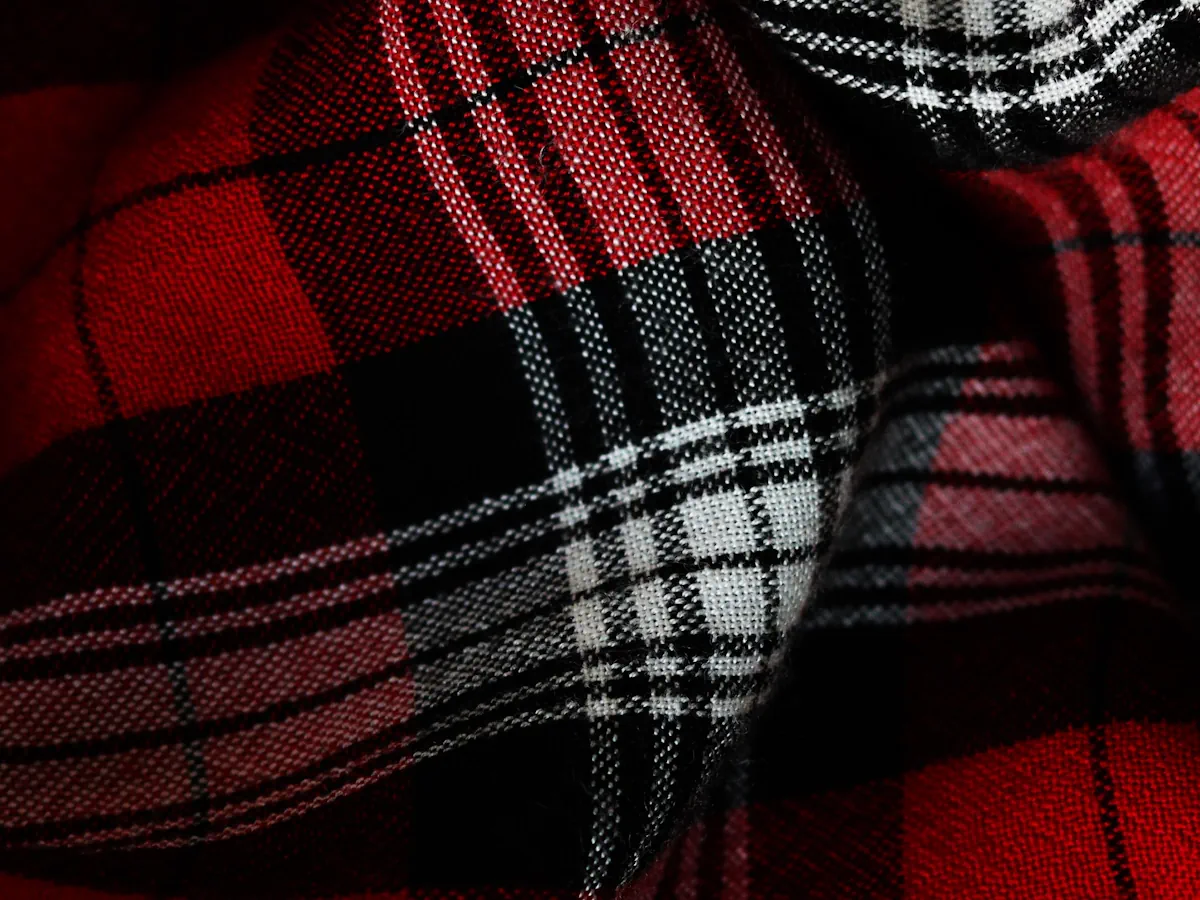 FlannelA soft woven fabric with a brushed surface that traps warmth; cotton flannel is stable but can shrink and shed lint.View fabric
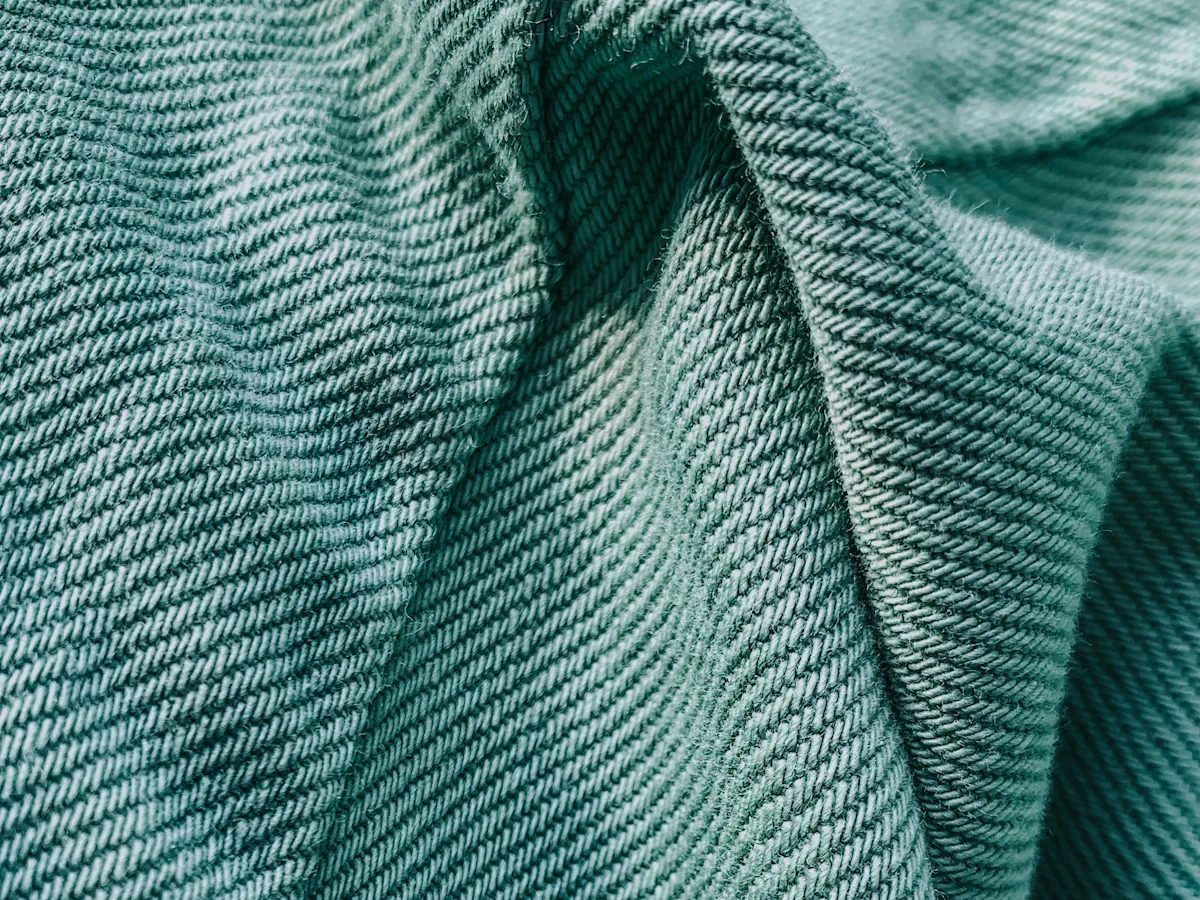 Cotton drillA durable medium-to-heavy cotton twill with a firm diagonal weave and good resistance to everyday wear.View fabric
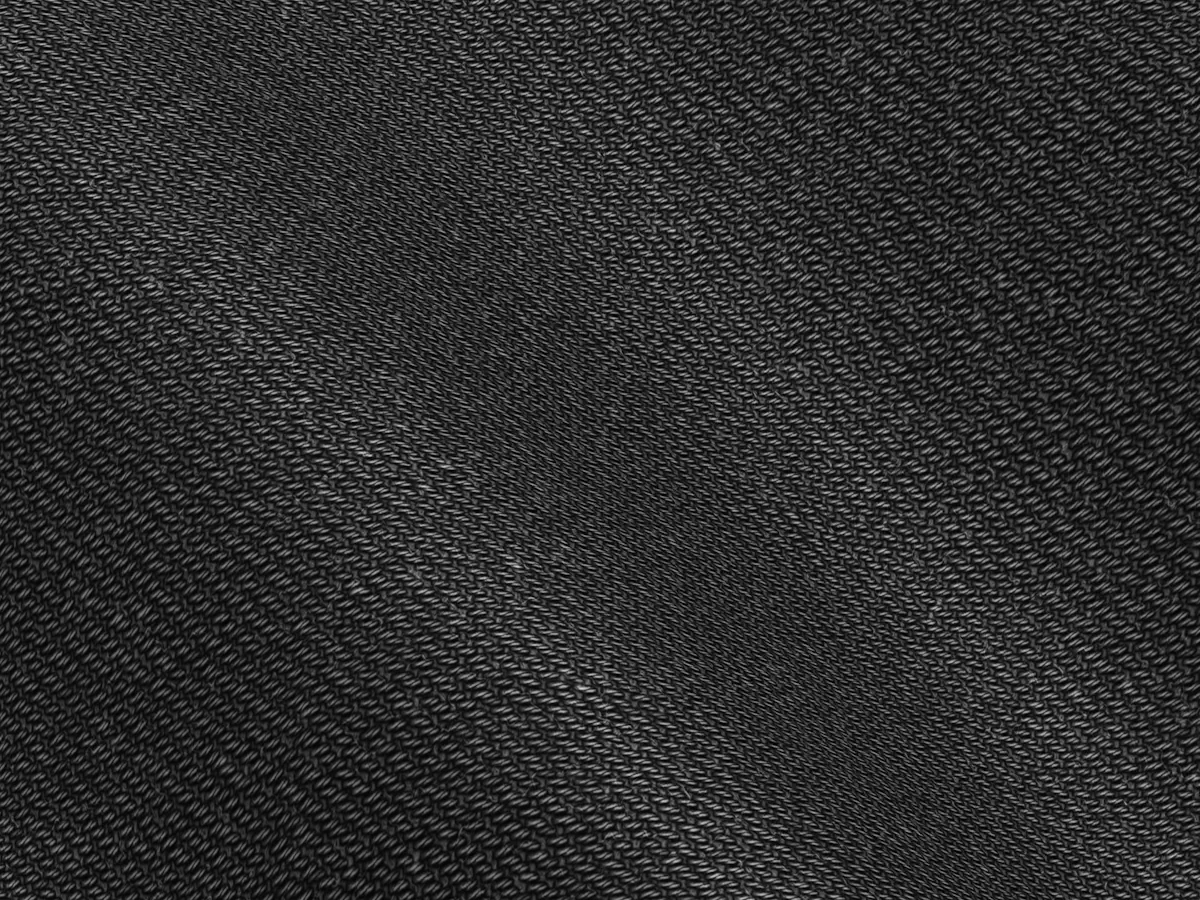 TwillA family of woven fabrics recognised by diagonal ribs, usually durable, stable and more drapey than an equivalent plain weave.View fabric
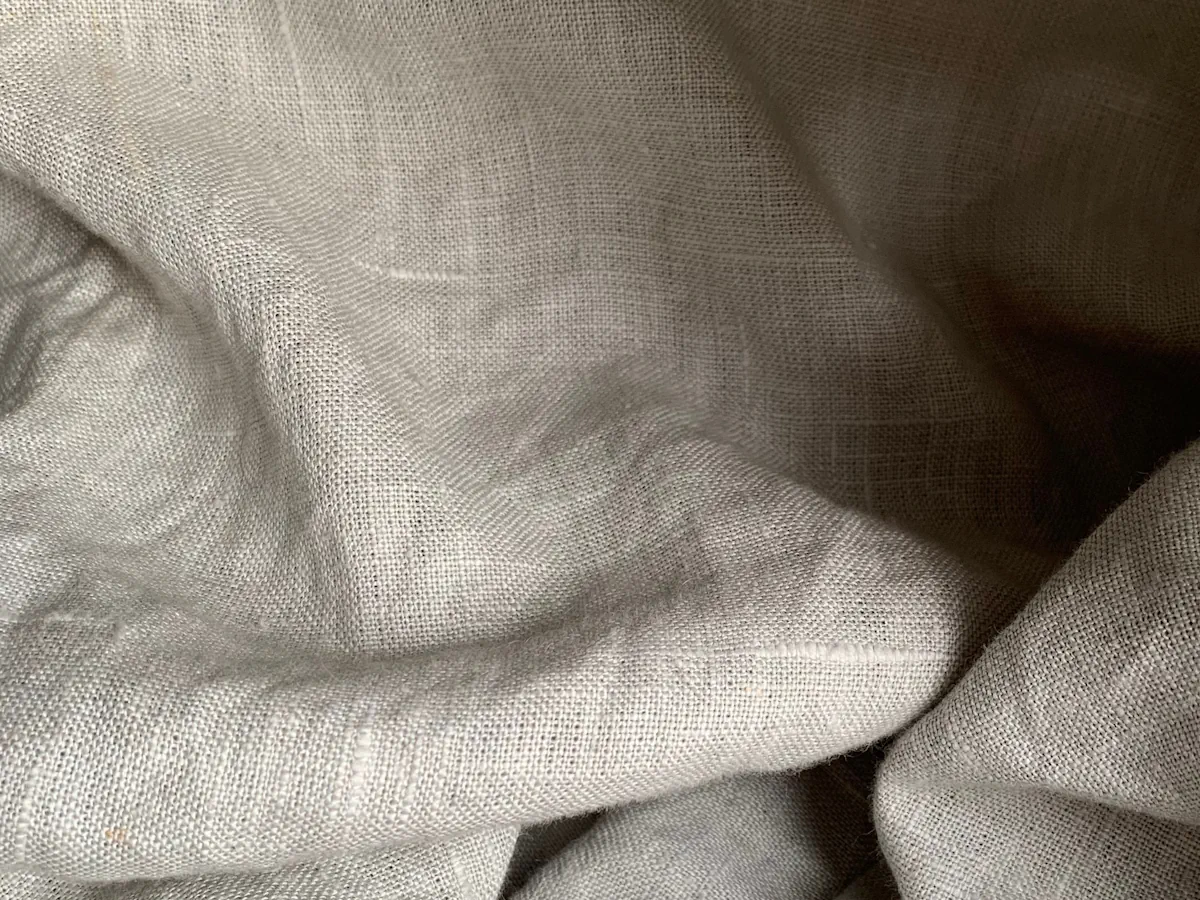 LinenA breathable woven flax fabric with a natural slub, crisp-to-fluid drape and a tendency to wrinkle and fray.View fabric
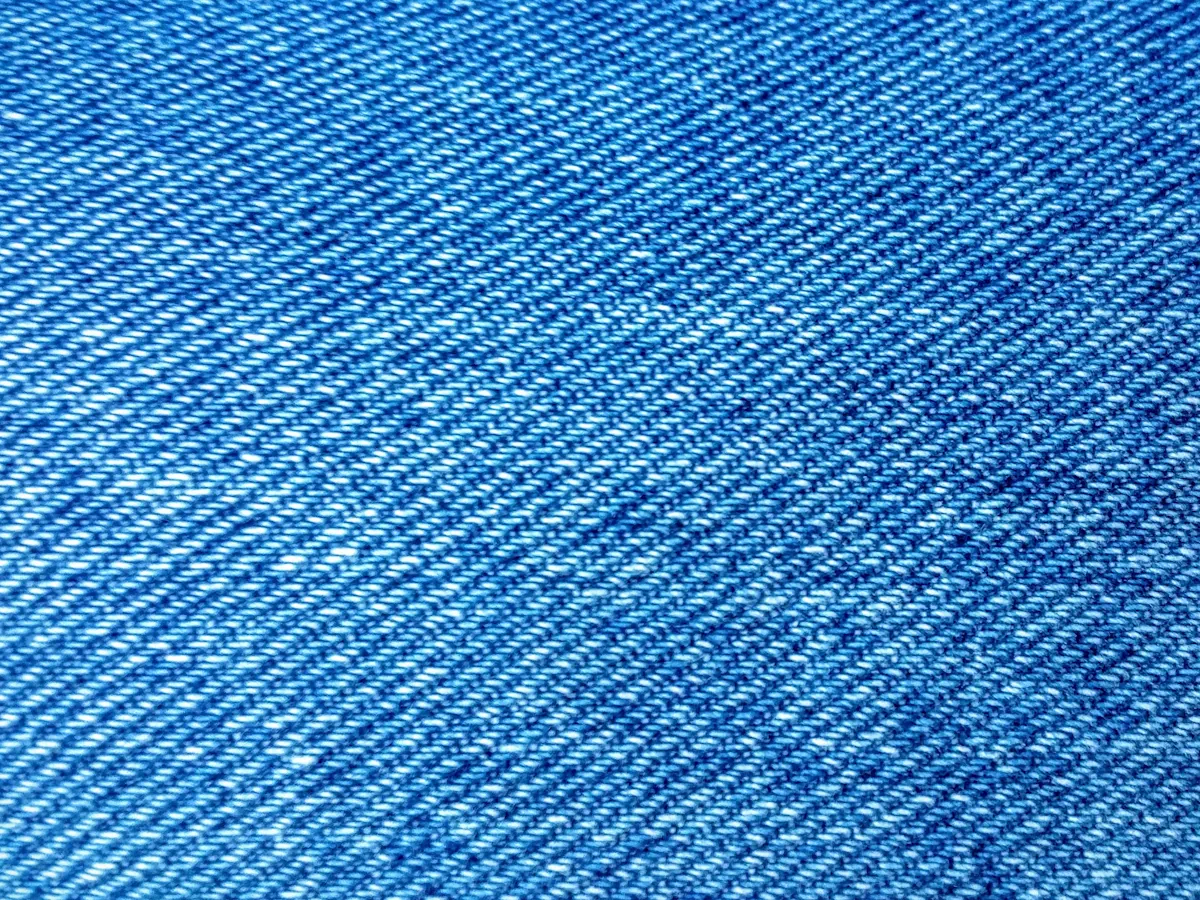 DenimA durable woven twill recognised by its visible diagonal weave. Denim ranges from light shirting weights to heavy jeans fabric and may include stretch fibres.View fabric
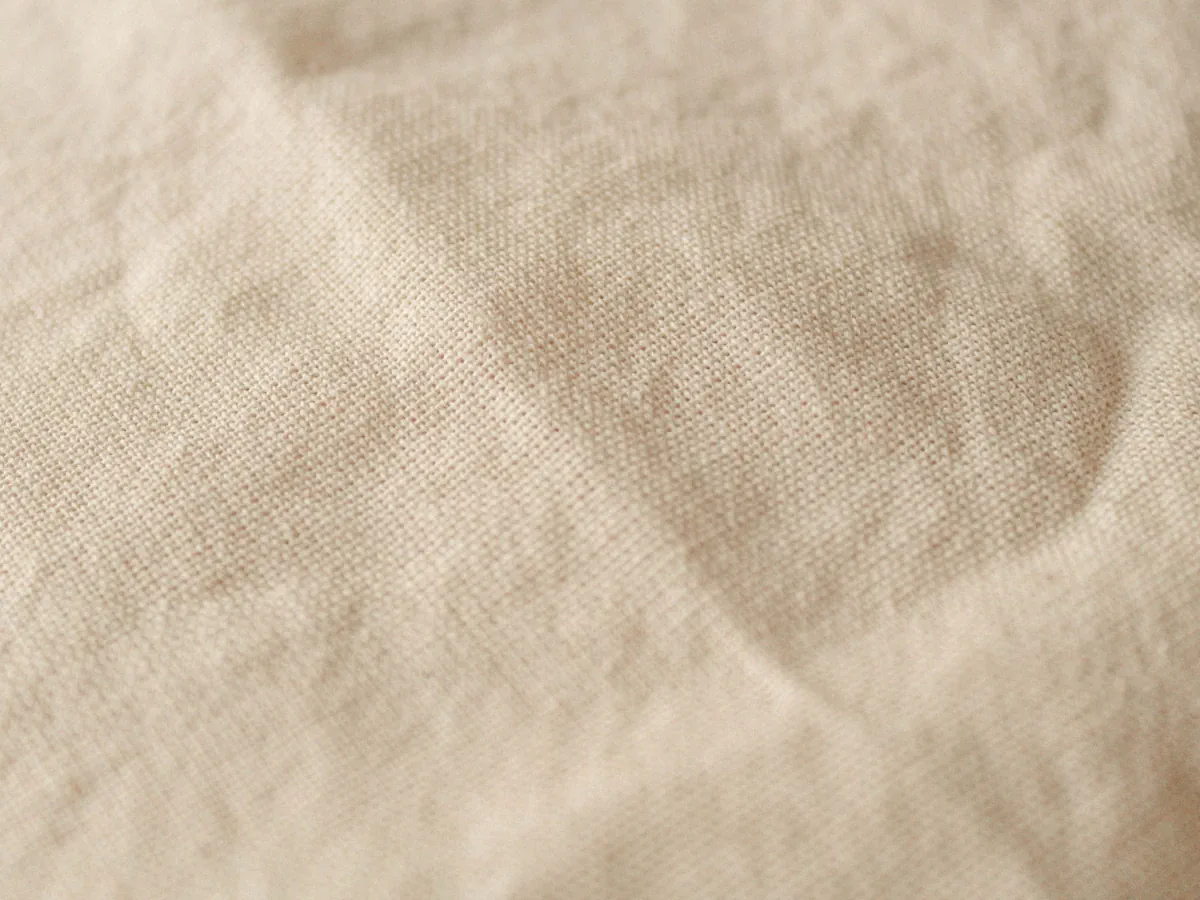 CanvasA strong, closely woven fabric with substantial body, commonly made from cotton, linen or synthetic fibres.View fabric
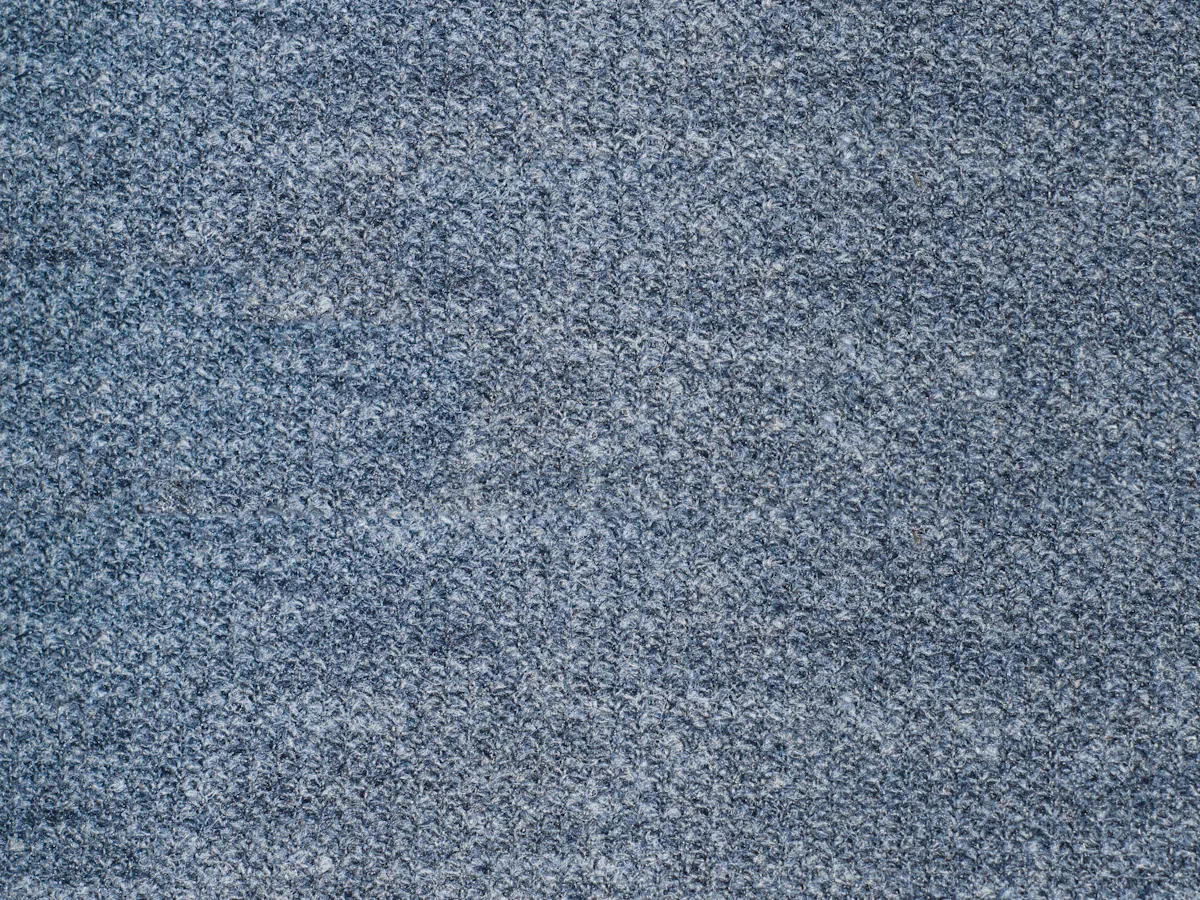 Duck clothA tightly woven, smooth-faced canvas fabric that is firm, durable and generally less textured than ordinary canvas.View fabric
Knit & stretch fabrics
10 fabrics
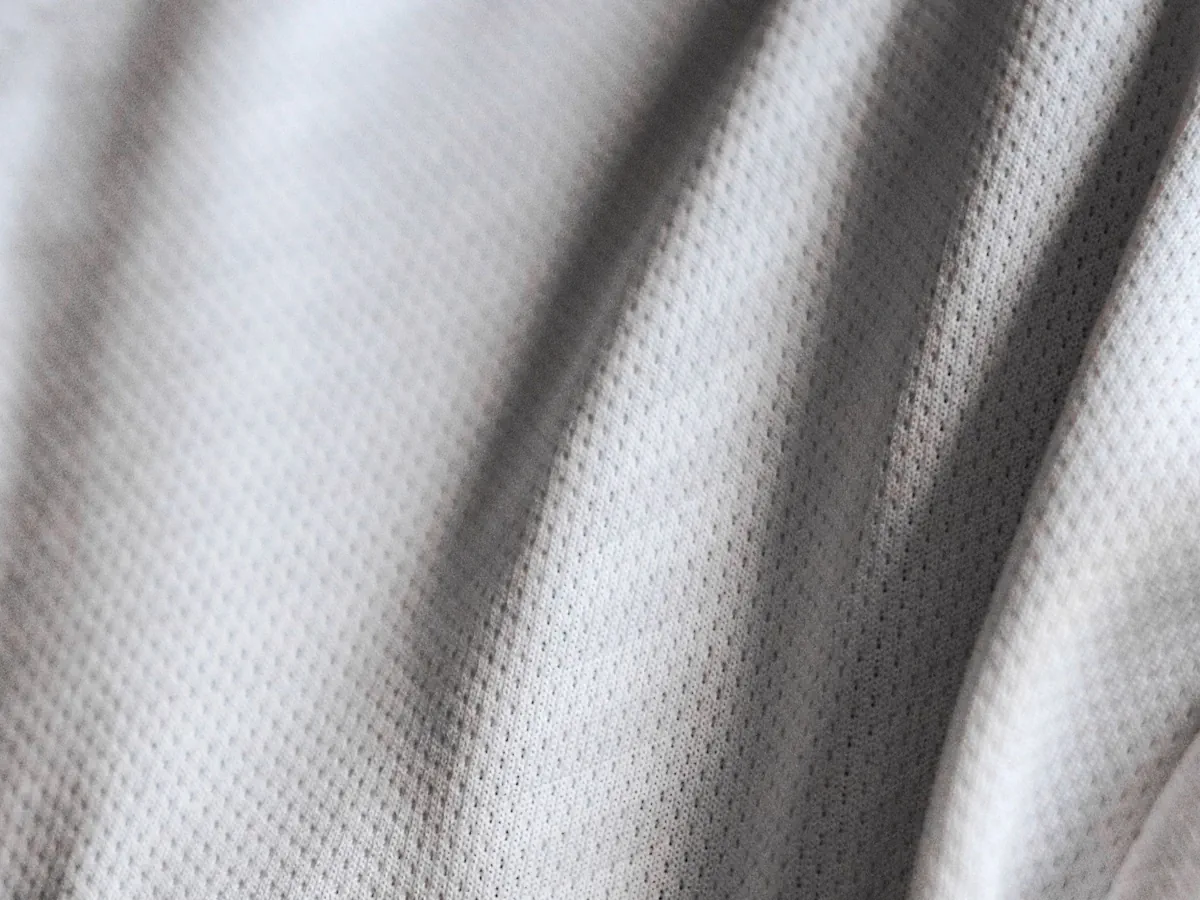 Jersey knitA soft knitted fabric with a smooth face, looped back and natural stretch, most familiar as the fabric used for T-shirts.View fabric
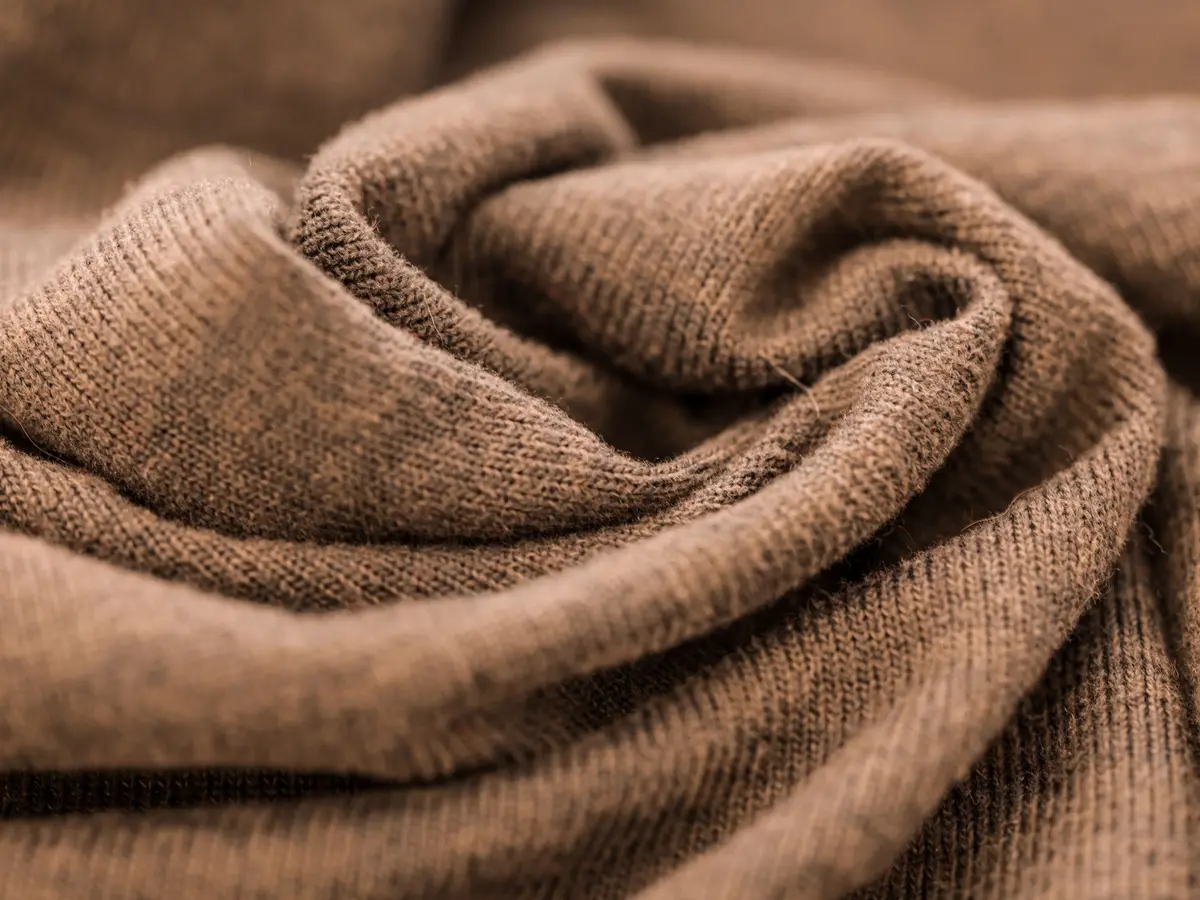 Cotton jerseyA breathable cotton single knit with a soft hand, rolled cut edges and stretch that varies with fibre blend and construction.View fabric
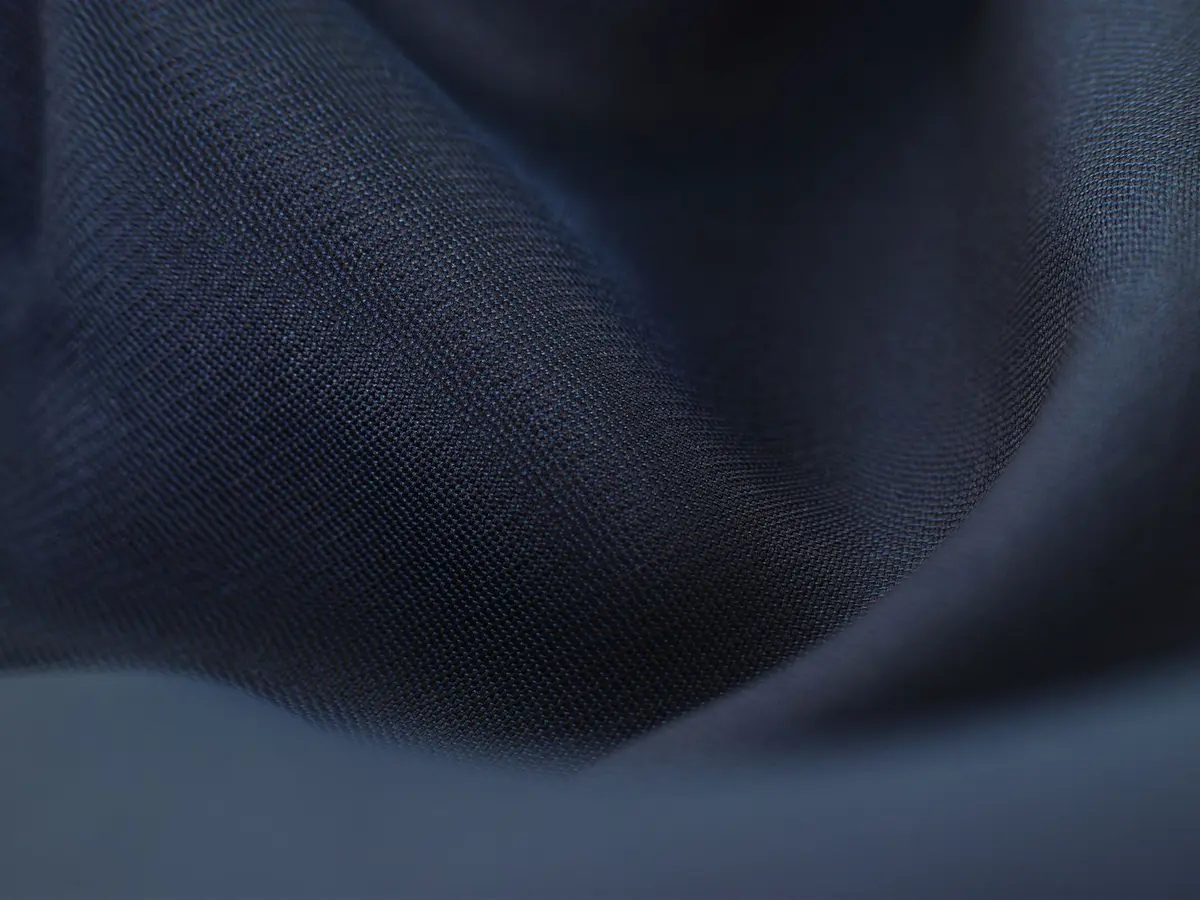 Polyester knitA resilient synthetic knit that resists wrinkles, dries quickly and may range from stable double knit to fluid jersey.View fabric
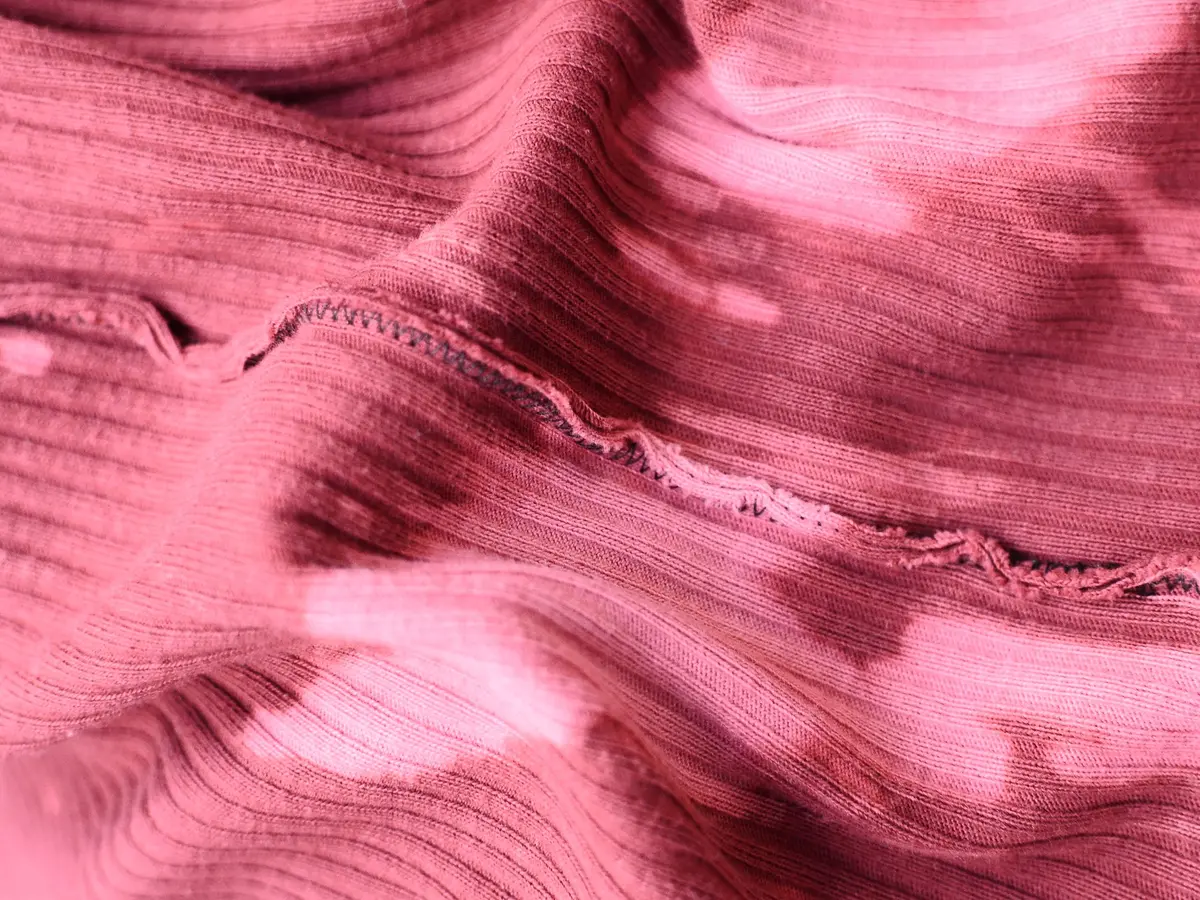 InterlockA smooth double-knit fabric that looks similar on both sides, with more body, stability and recovery than single jersey.View fabric
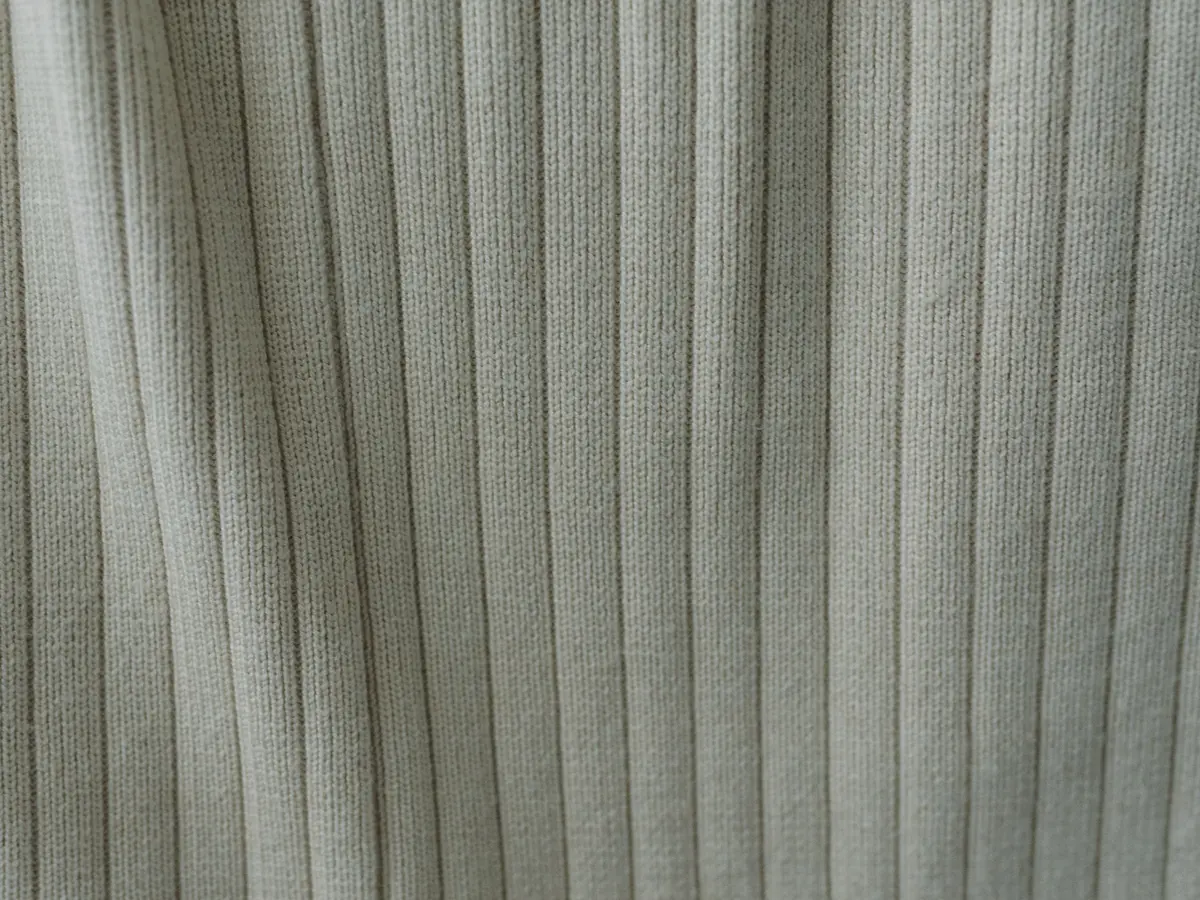 Rib knitA knitted fabric with raised vertical ribs and strong crosswise stretch, commonly used where close fit and recovery are needed.View fabric
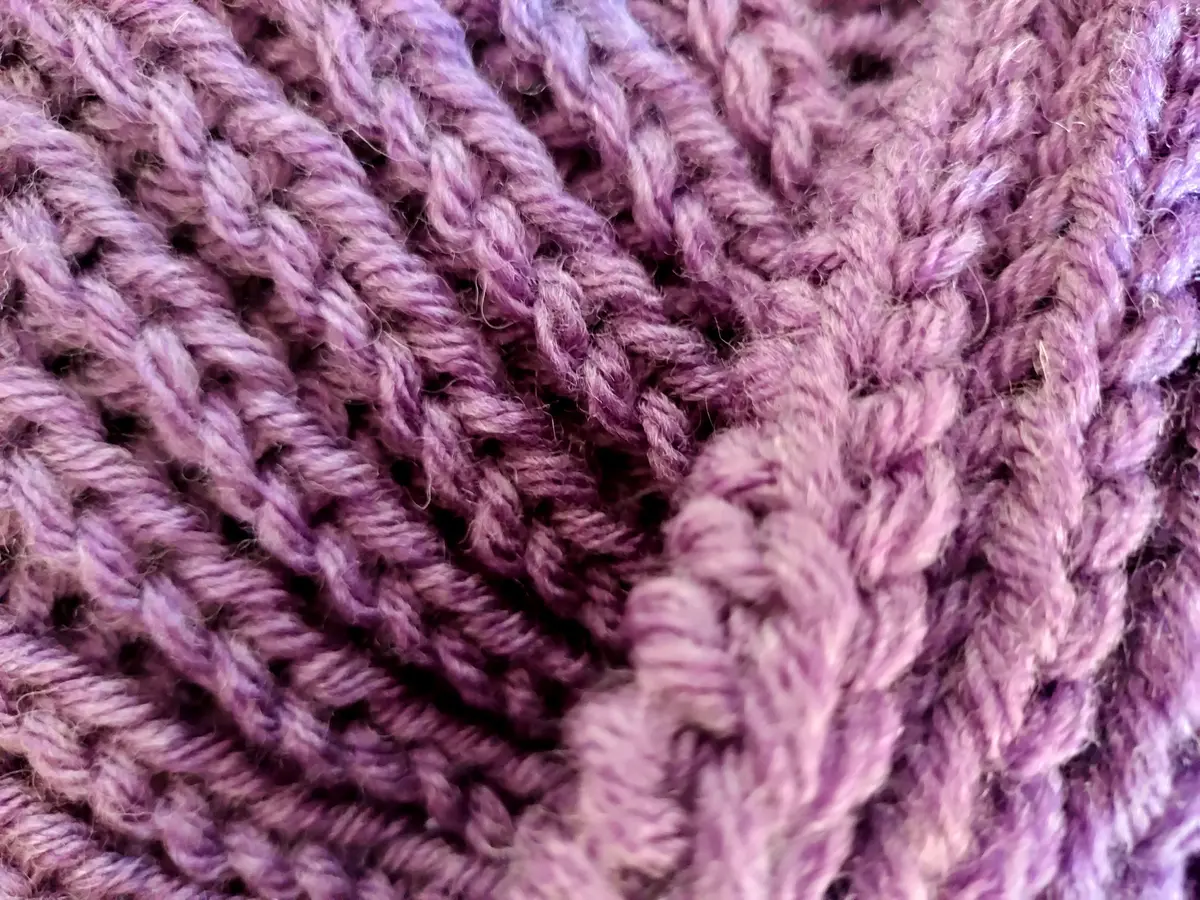 Sweater knitA broad group of knitted fabrics with visible loops, warmth and soft drape, ranging from fine compact knits to bulky open structures.View fabric
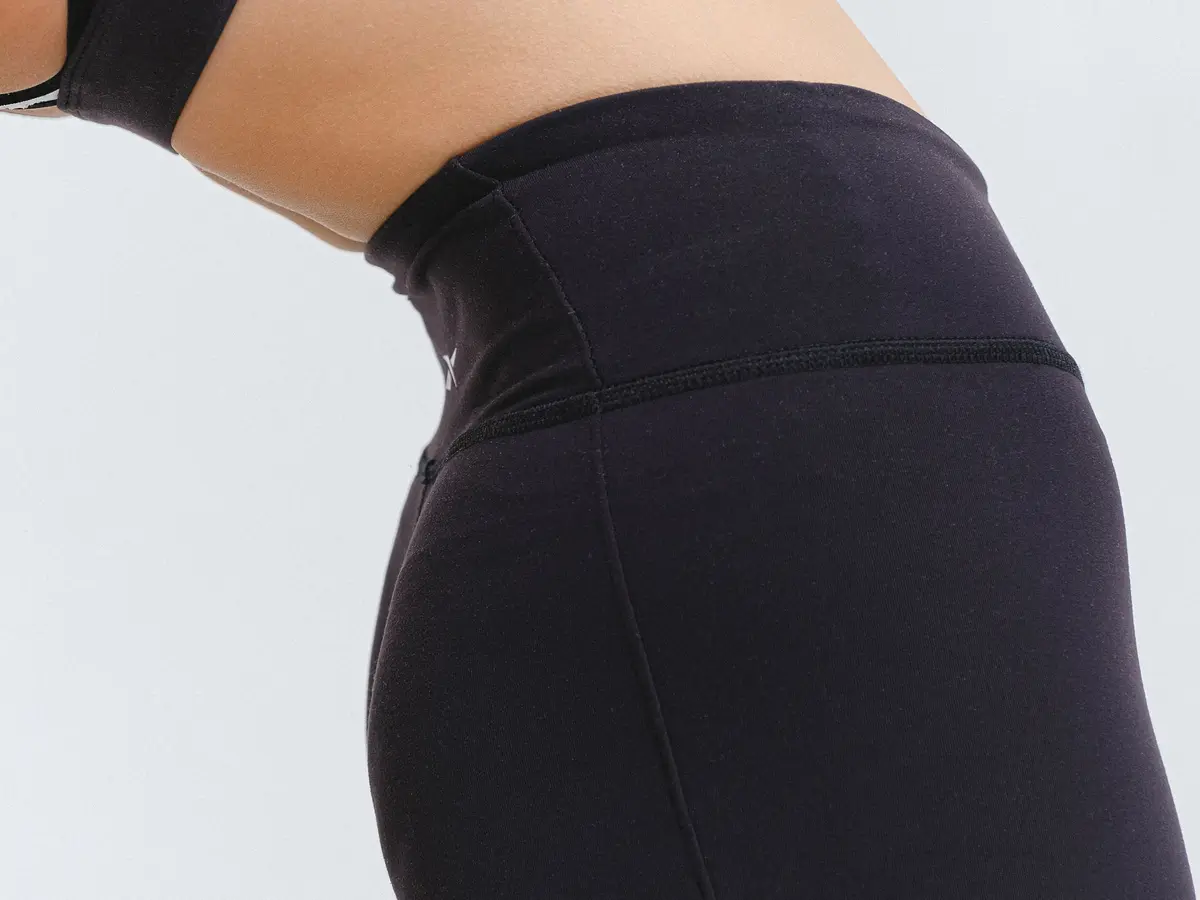 Lycra / SpandexA highly elastic fabric or blend designed to stretch and recover, often smooth, close-fitting and sensitive to heat and needle choice.View fabric
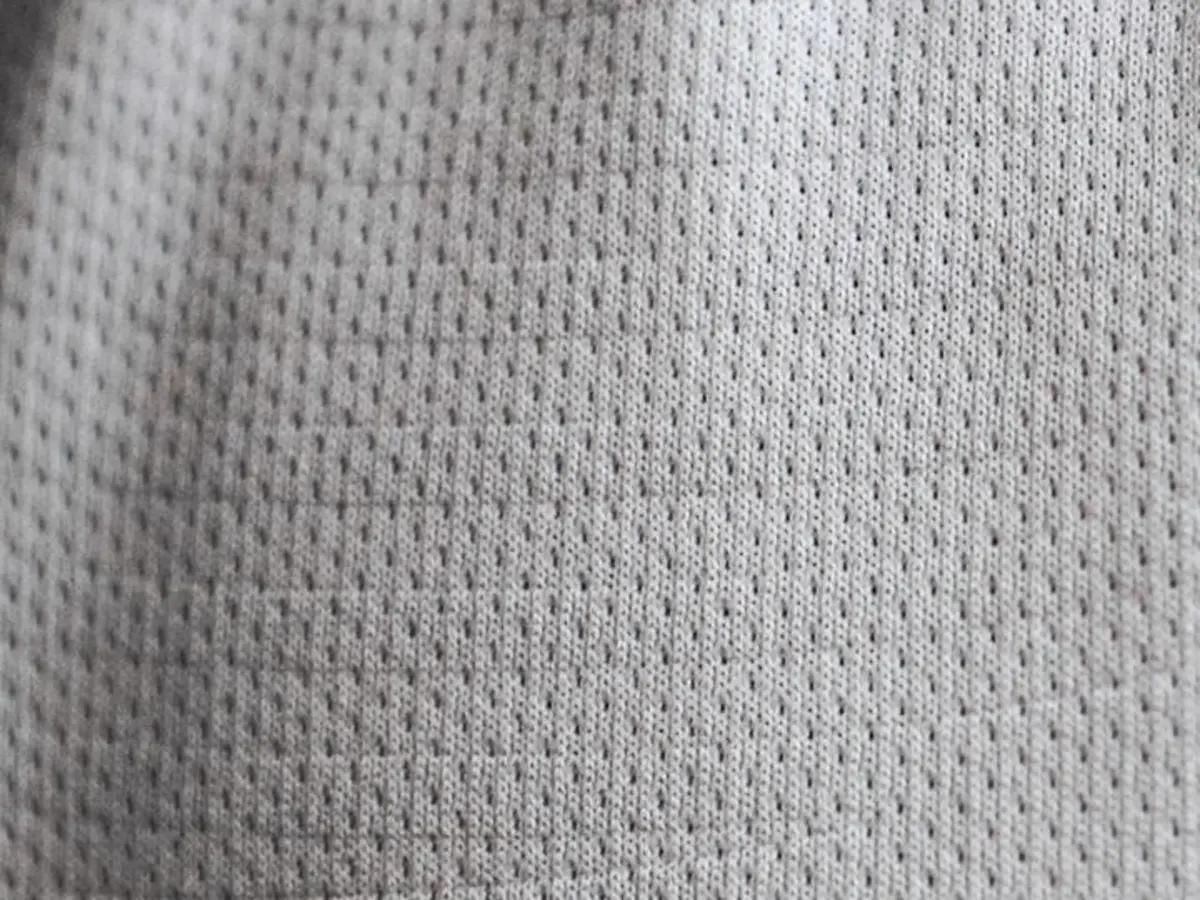 Stretch performance polyesterA lightweight synthetic stretch knit engineered to move moisture, dry quickly and remain comfortable during activity.View fabric
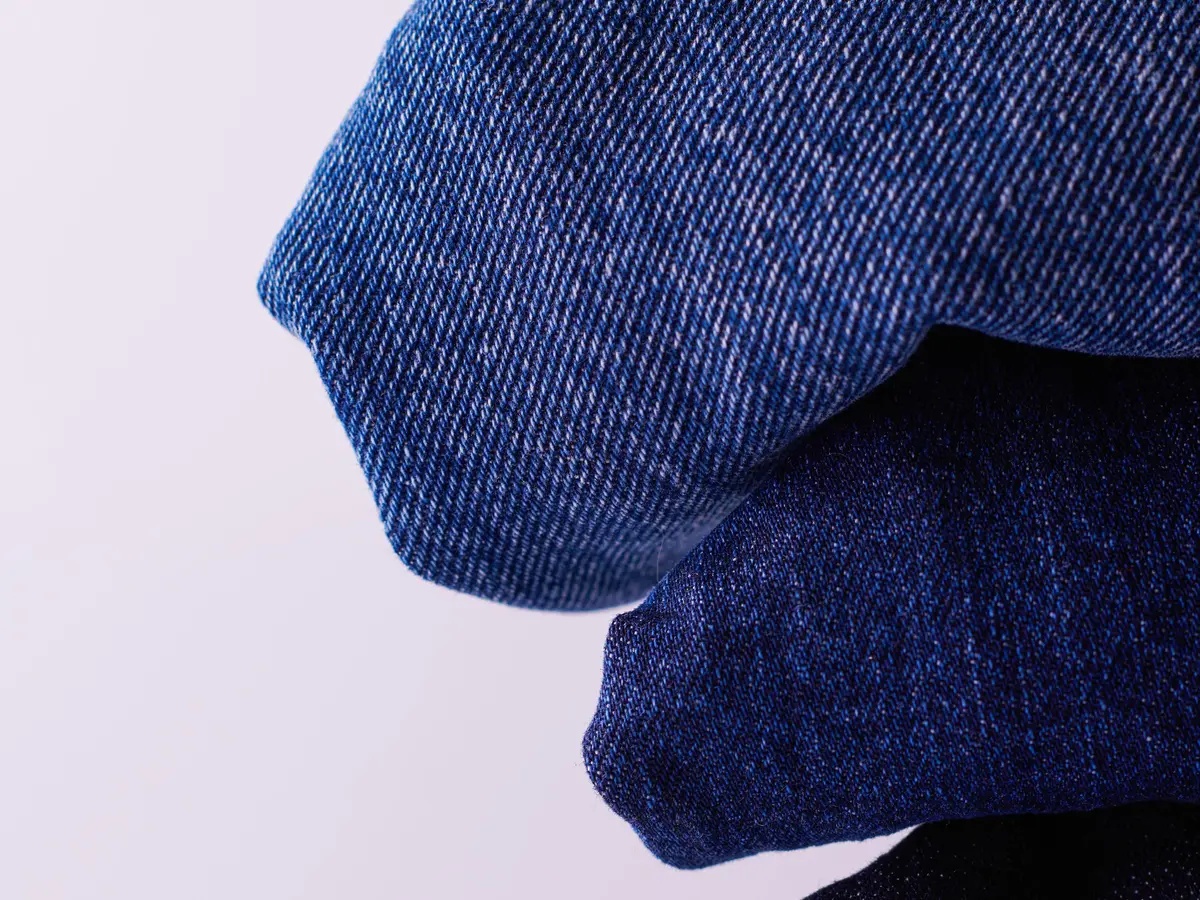 Stretch denimA denim twill blended with elastane for comfort and recovery, combining a durable woven face with controlled stretch.View fabric
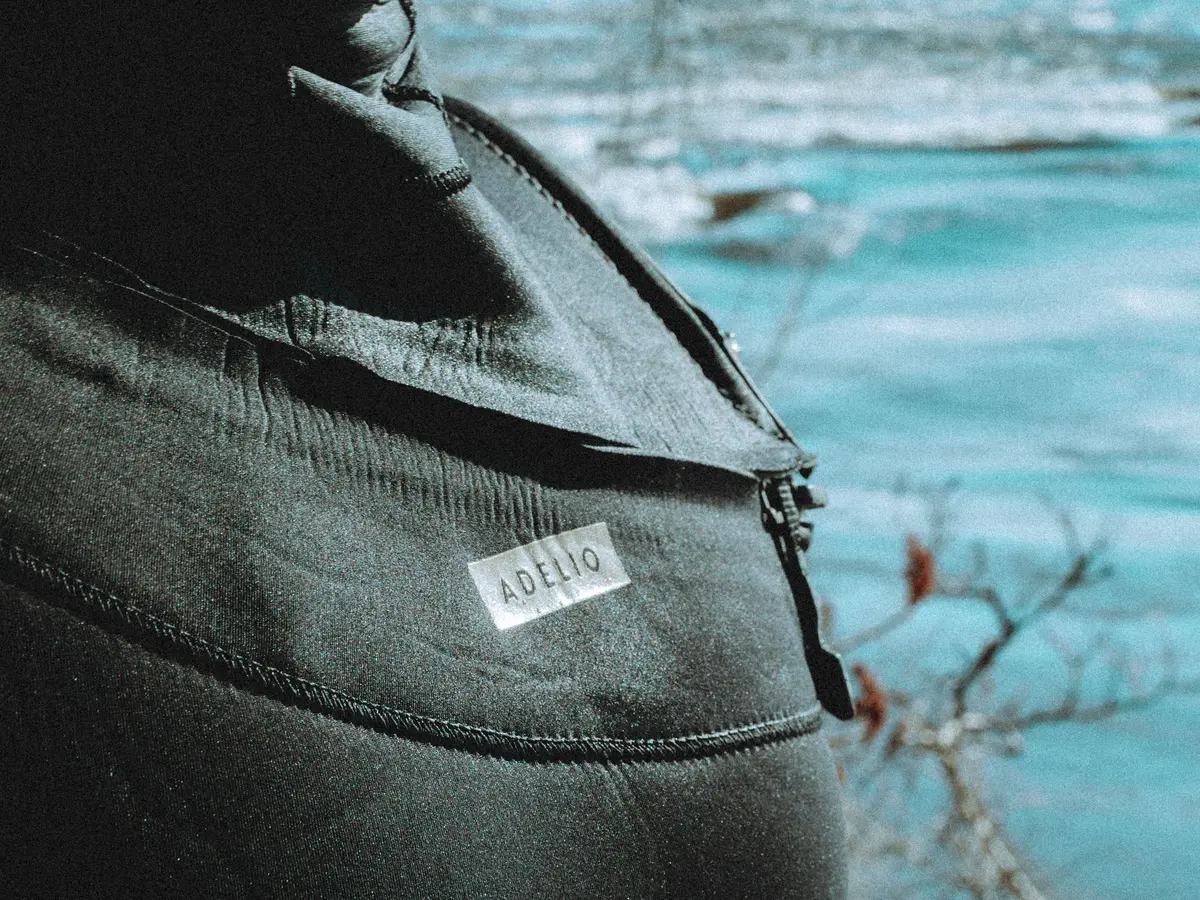 NeopreneA thick, resilient synthetic material often made from foam laminated between knitted faces, with body, stretch and minimal fraying.View fabric
Pile & textured fabrics
9 fabrics
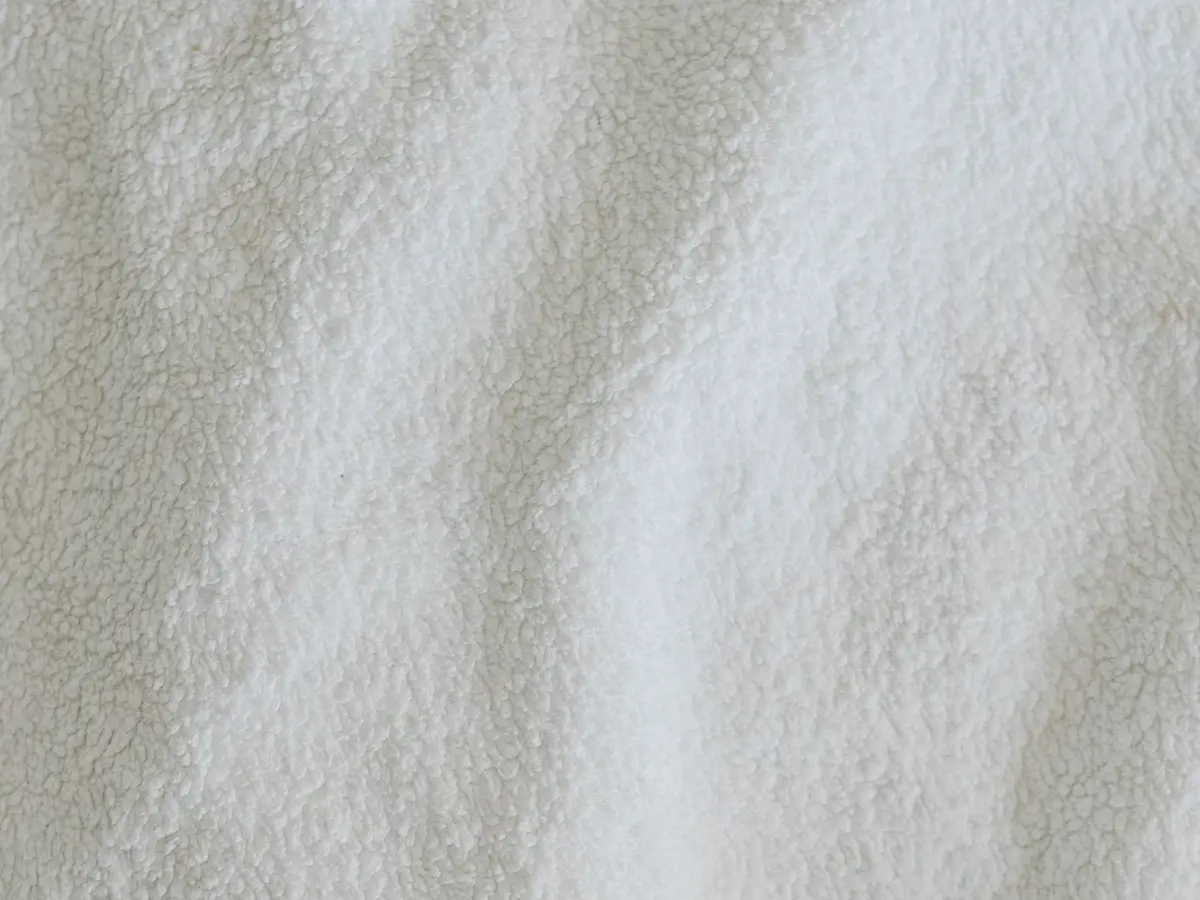 Terry towellingAn absorbent woven or knitted fabric covered with loops on one or both sides, giving towels their characteristic pile.View fabric
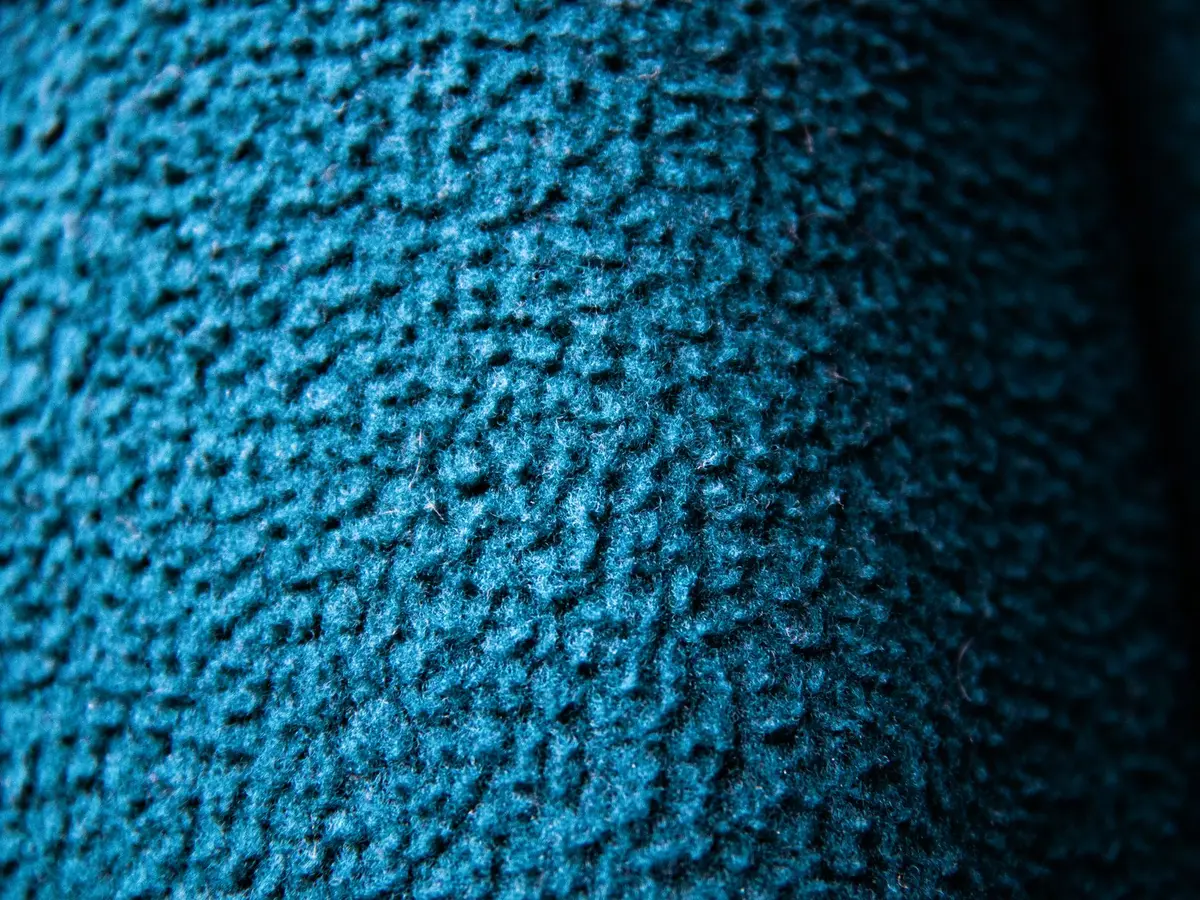 FleeceA soft insulating fabric with a brushed or napped surface; it may be a stable cotton sweatshirt knit or a stretchier synthetic fleece.View fabric
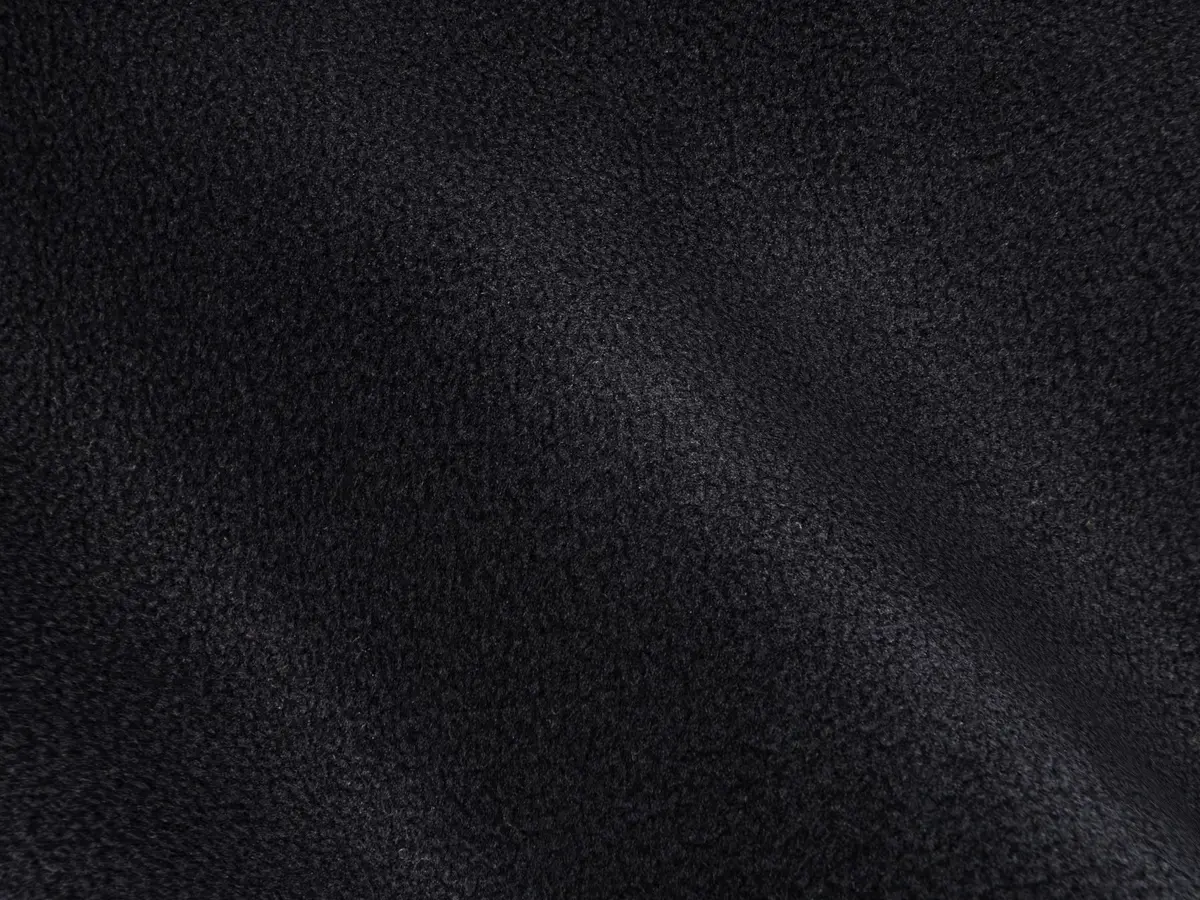 Polar fleeceA warm synthetic knit with raised pile, low absorbency and edges that do not fray, available in several thicknesses.View fabric
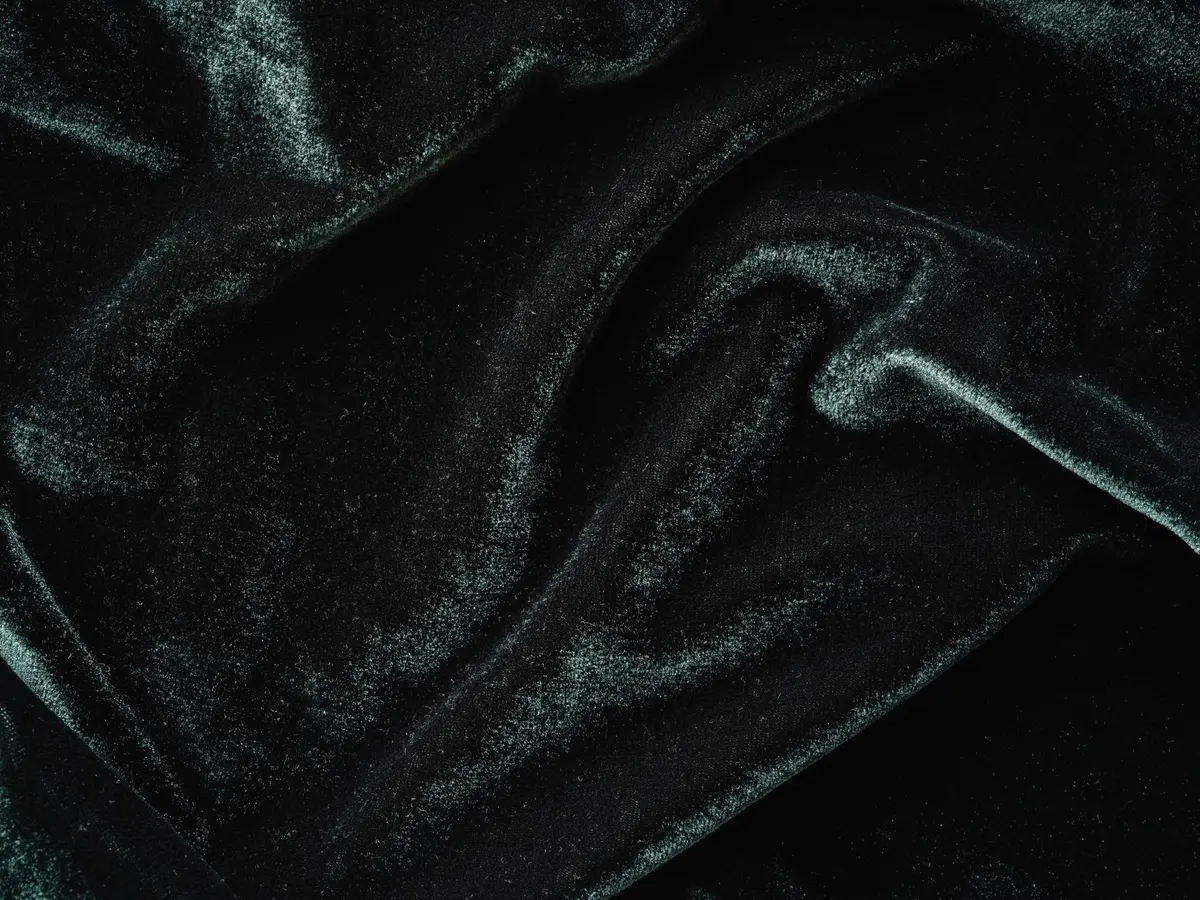 VelvetA luxurious fabric with dense upright pile that changes shade with direction and can be permanently marked by pressure.View fabric
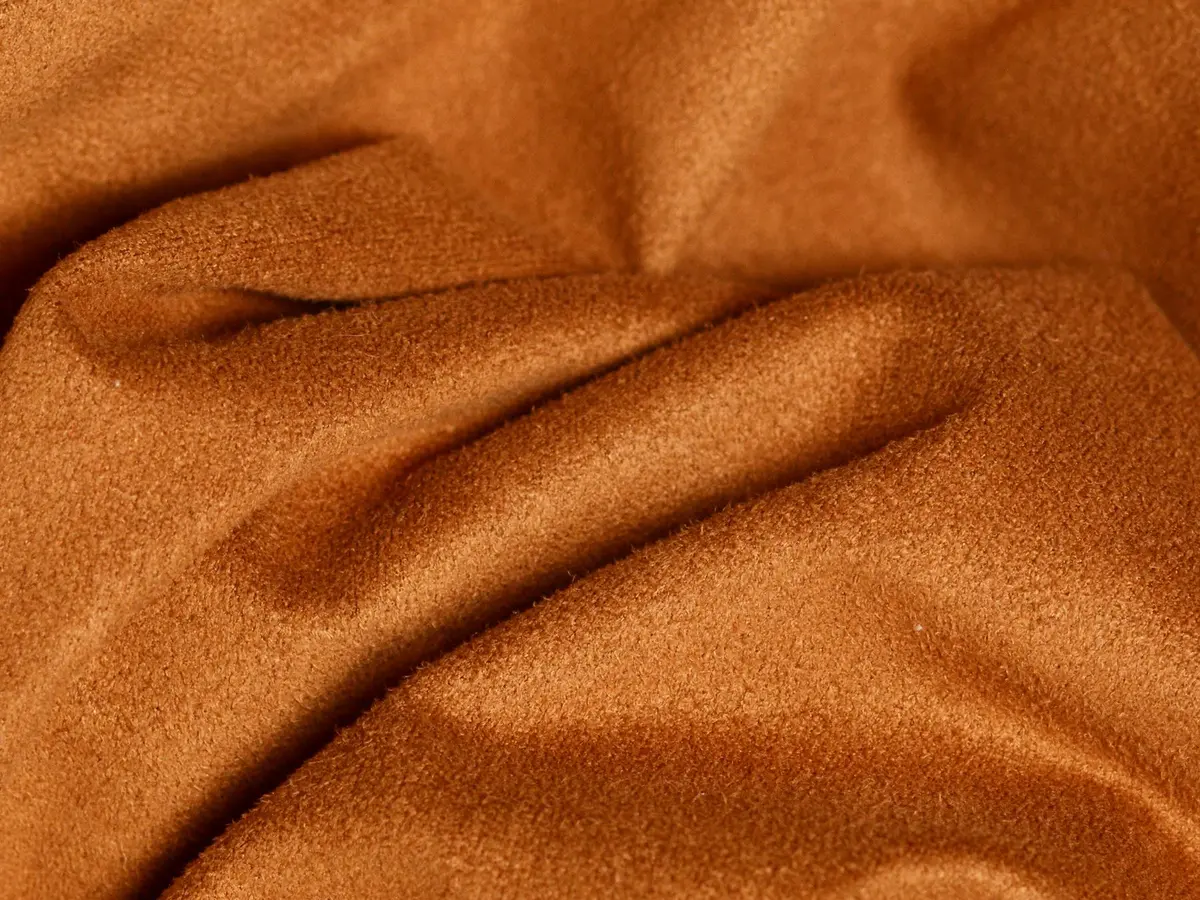 VelourA soft plush fabric, often knitted and stretchy, with a shorter pile and more casual drape than traditional woven velvet.View fabric
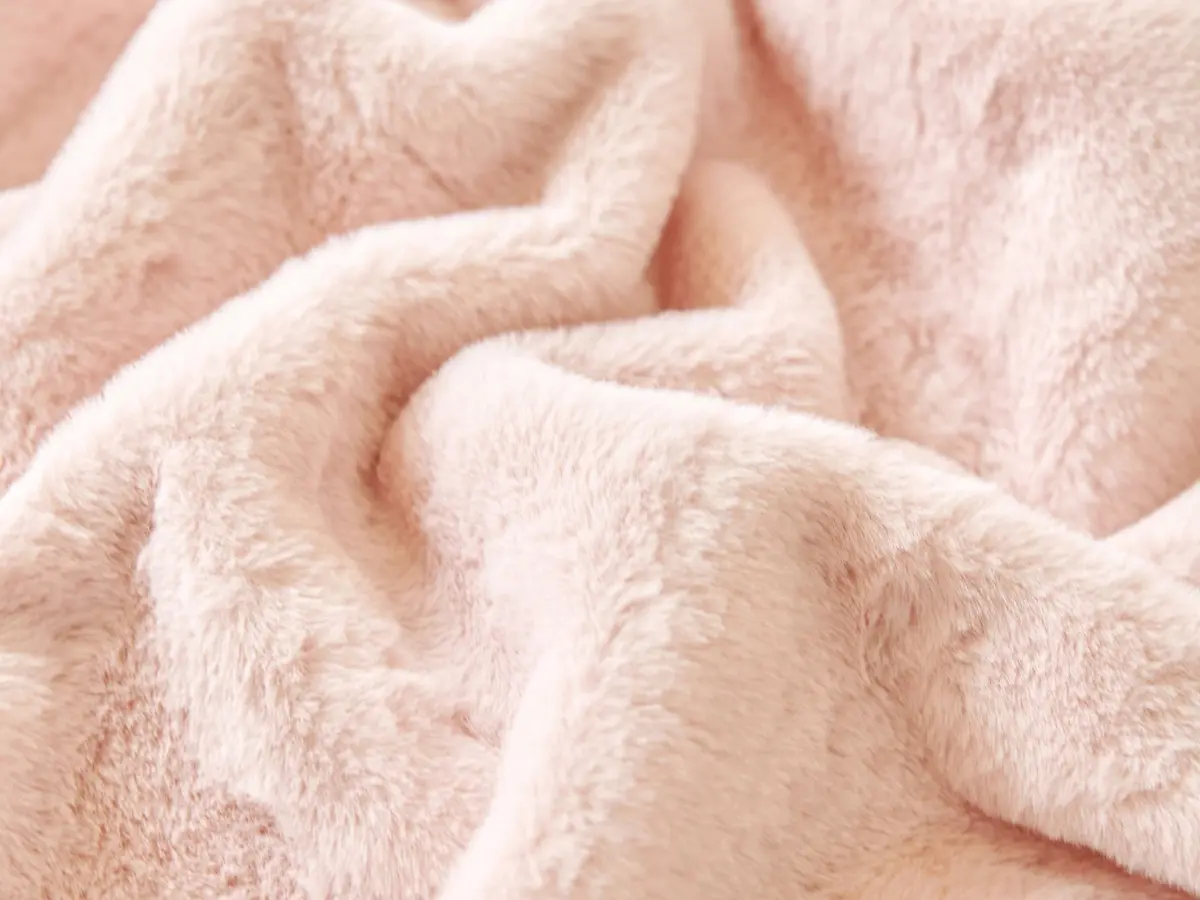 MinkyA very soft knitted polyester plush with a short dense pile, noticeable stretch and a tendency for layers to creep.View fabric
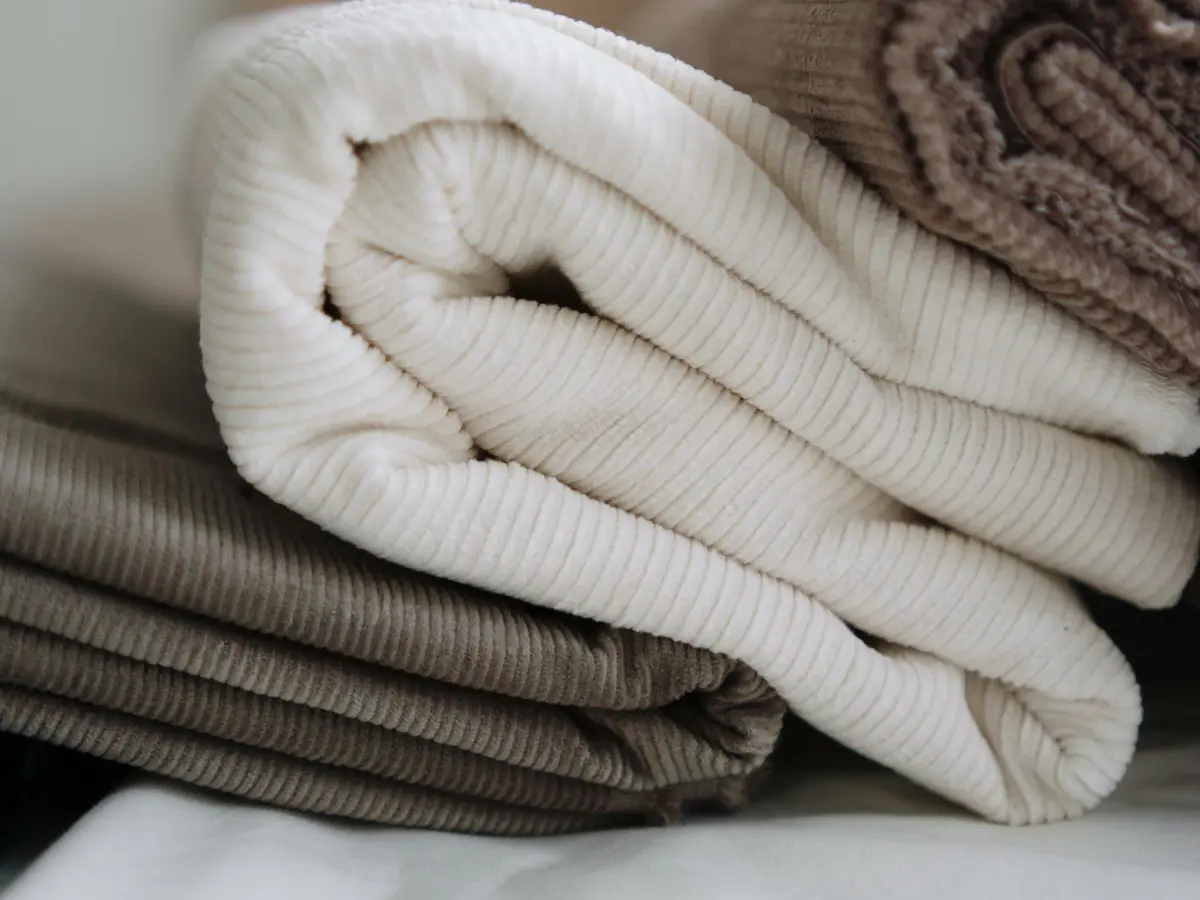 CorduroyA durable woven fabric with raised lengthwise ribs called wales; wale width and pile direction strongly affect appearance.View fabric
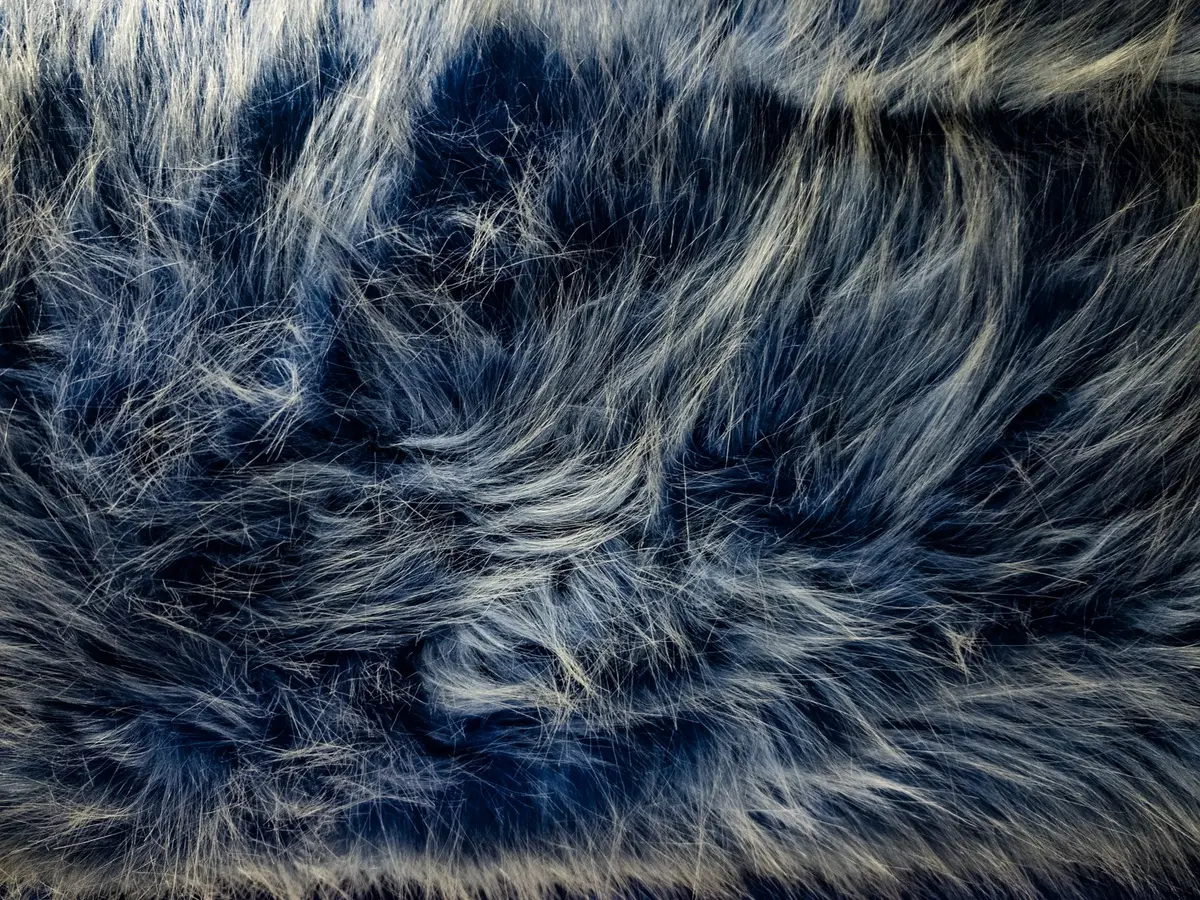 Faux furA knitted or woven synthetic base carrying long pile fibres that have a strong direction and can completely hide fine stitching.View fabric
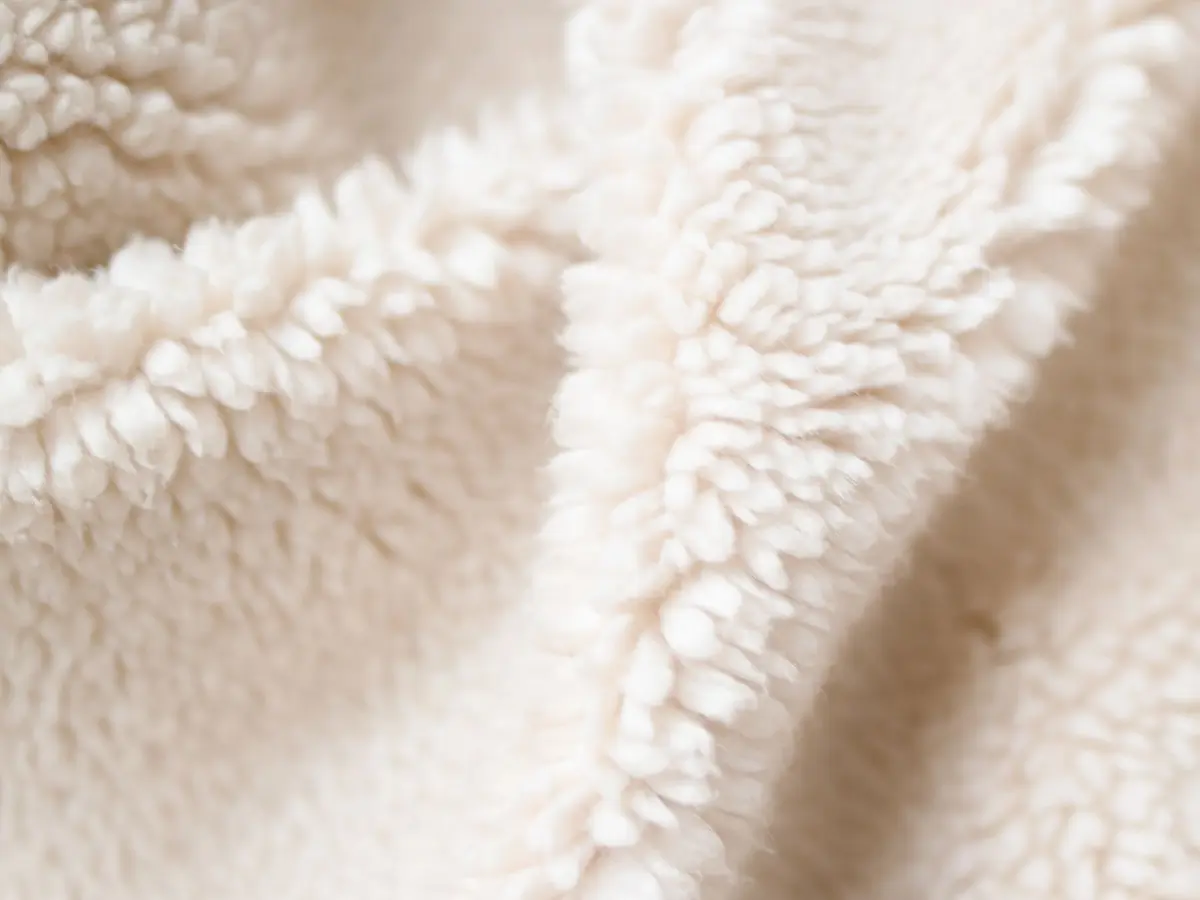 SherpaA bulky synthetic pile fabric with a curled, wool-like surface and knitted base, valued for warmth and softness.View fabric
Delicate & sheer fabrics
5 fabrics
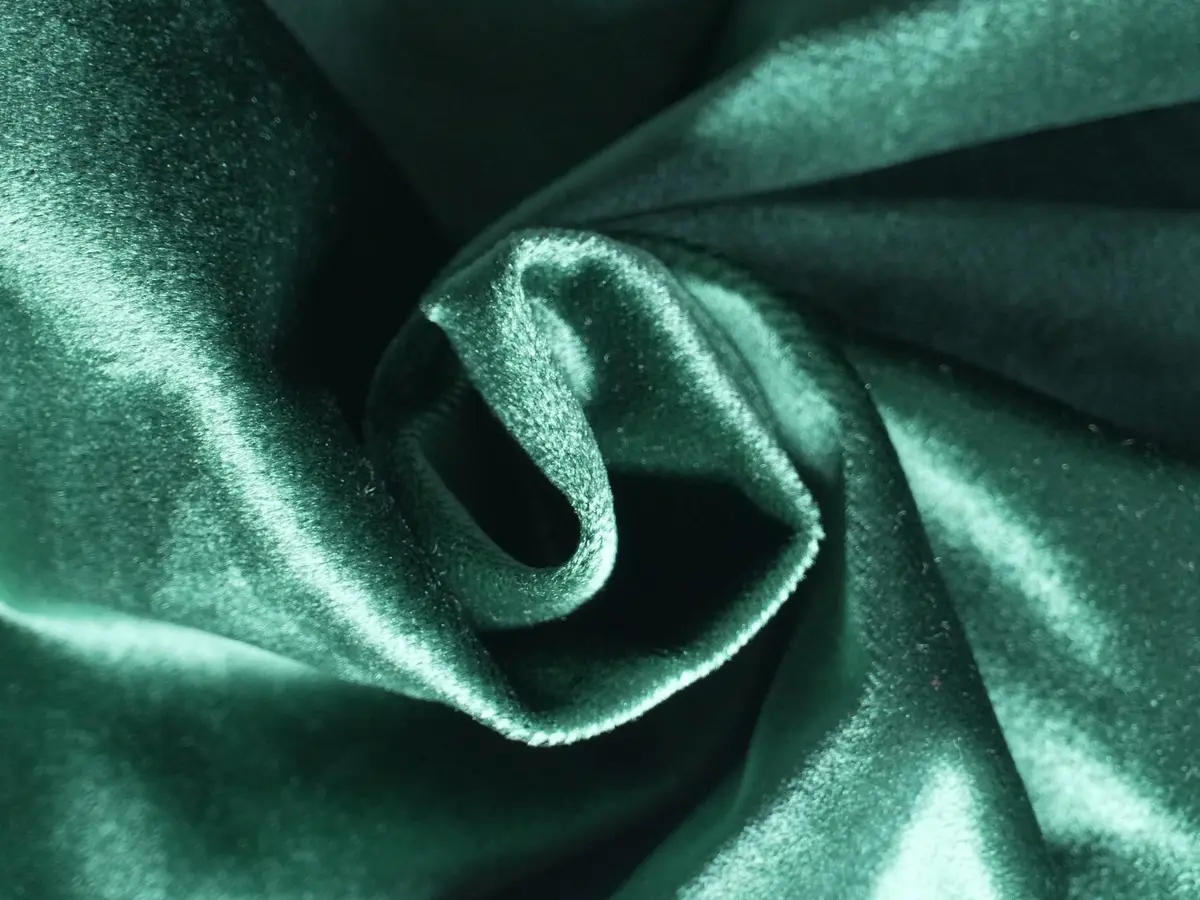 SilkA natural protein-fibre fabric prized for lustre, drape and strength, available in constructions ranging from crisp dupion to fluid charmeuse.View fabric
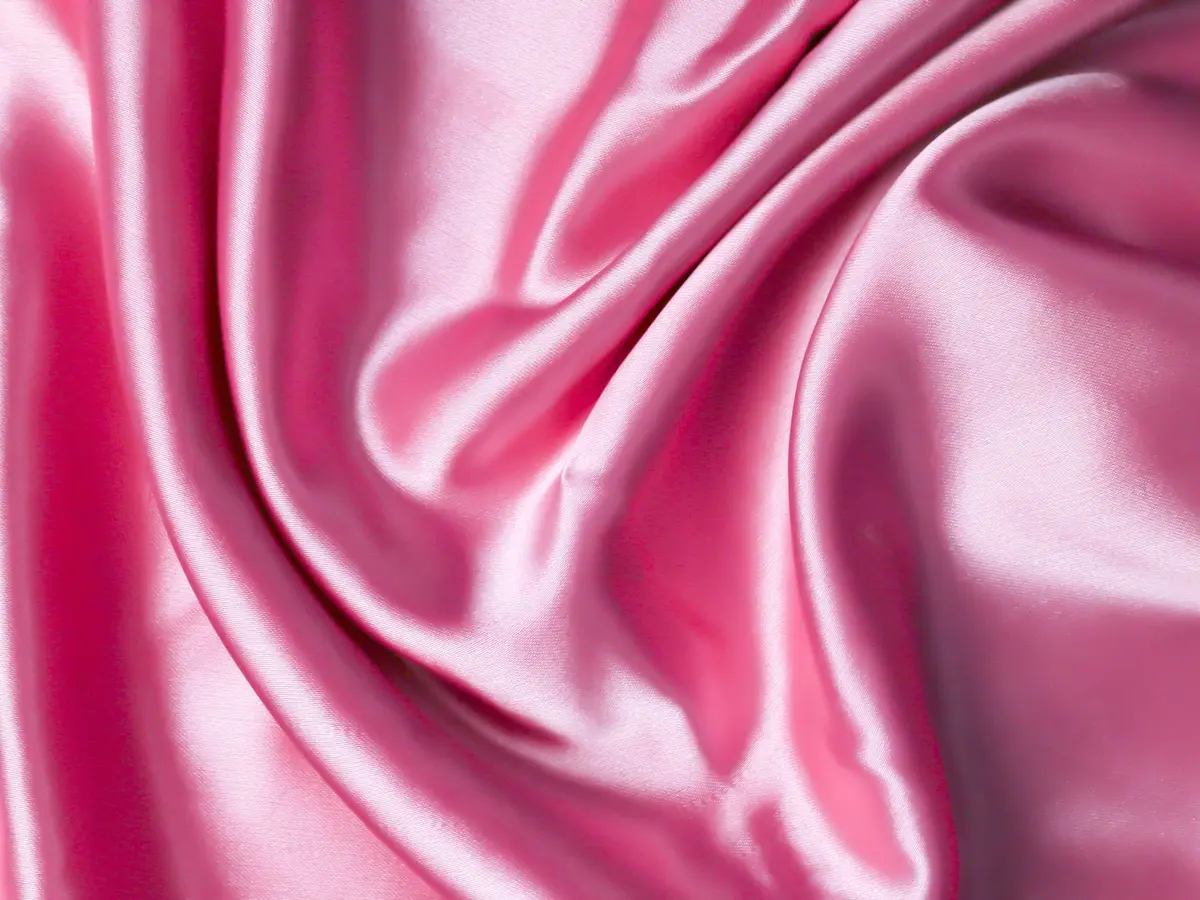 SatinA fabric defined by its smooth, reflective satin weave; the long surface floats create shine but also make the face prone to snagging and marking.View fabric
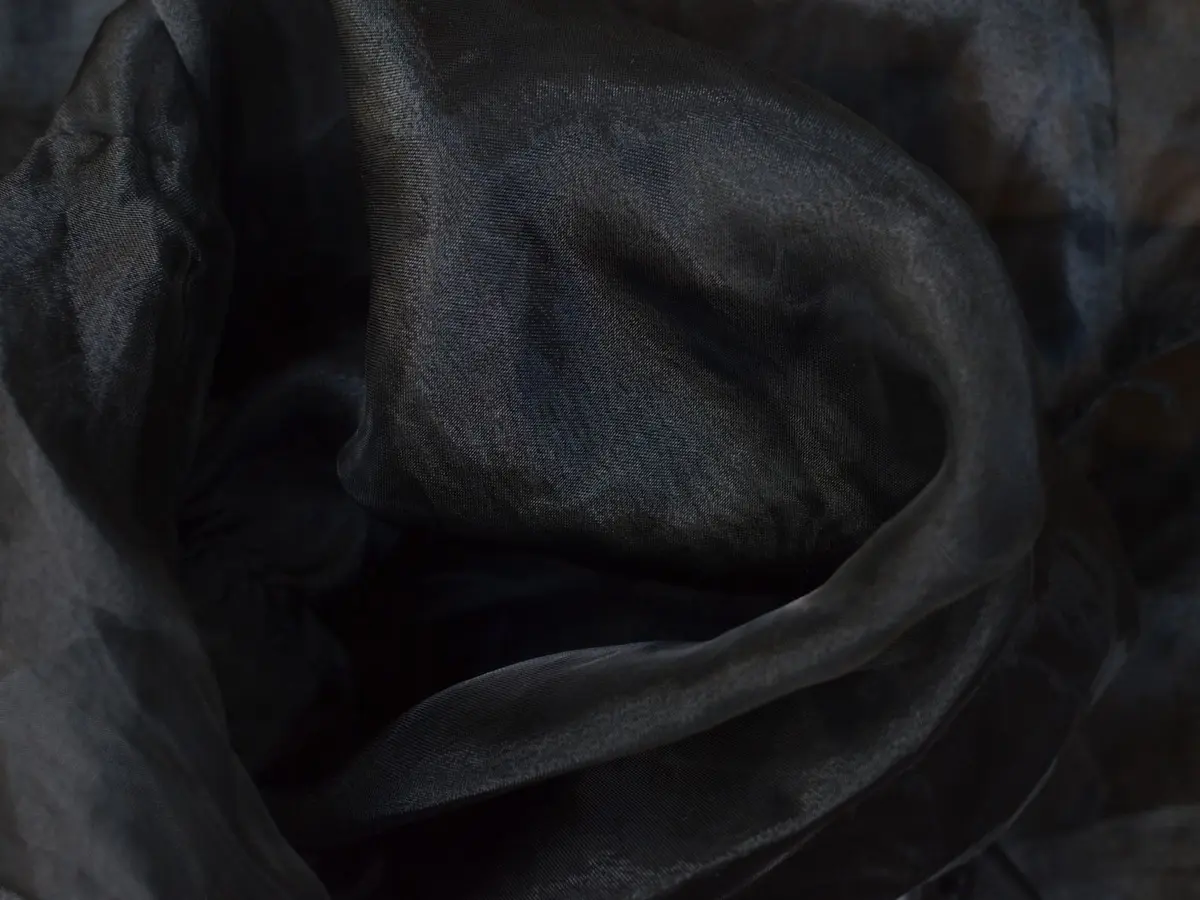 ChiffonAn extremely light, sheer plain weave with a softly crinkled surface, airy drape and a strong tendency to shift and fray.View fabric
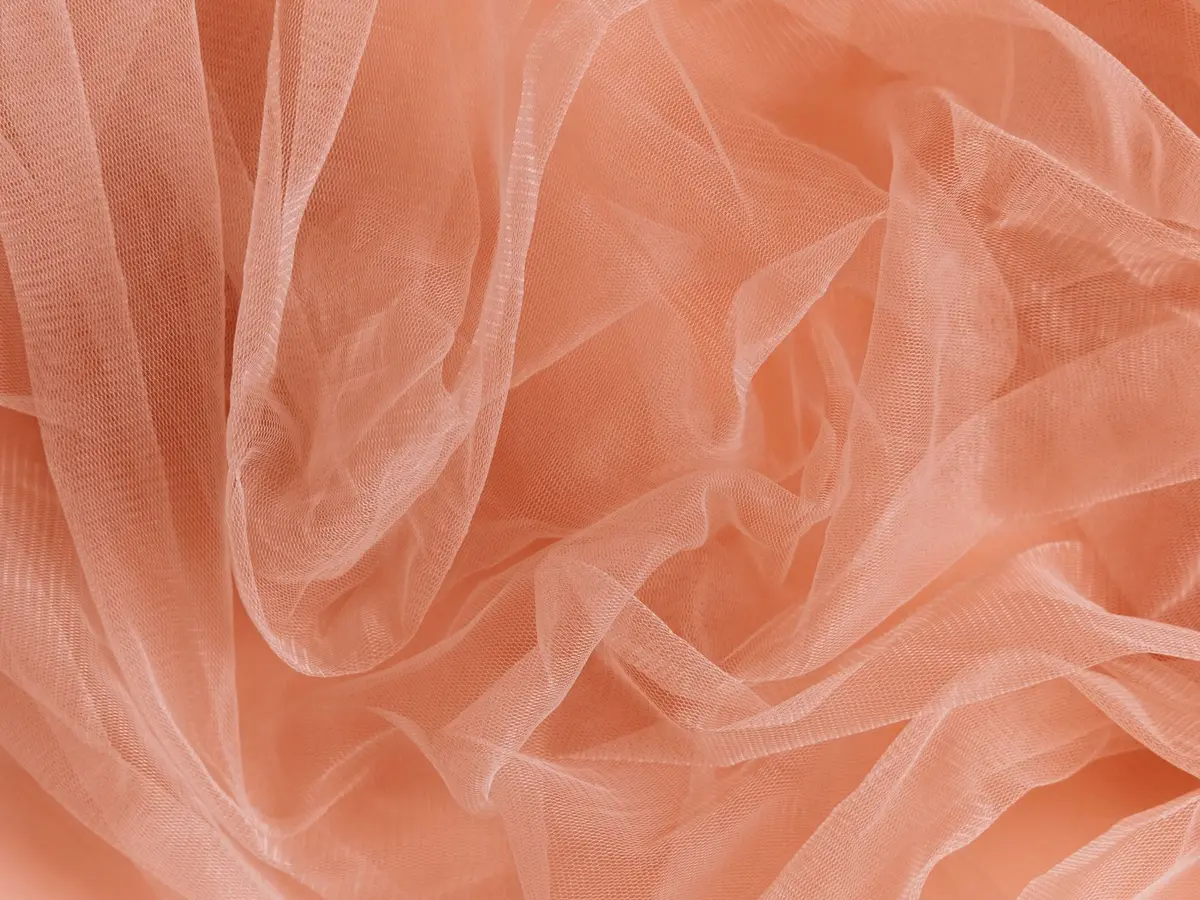 OrganzaA transparent, crisp plain-weave fabric with more body than chiffon, often used where a light but structured layer is wanted.View fabric
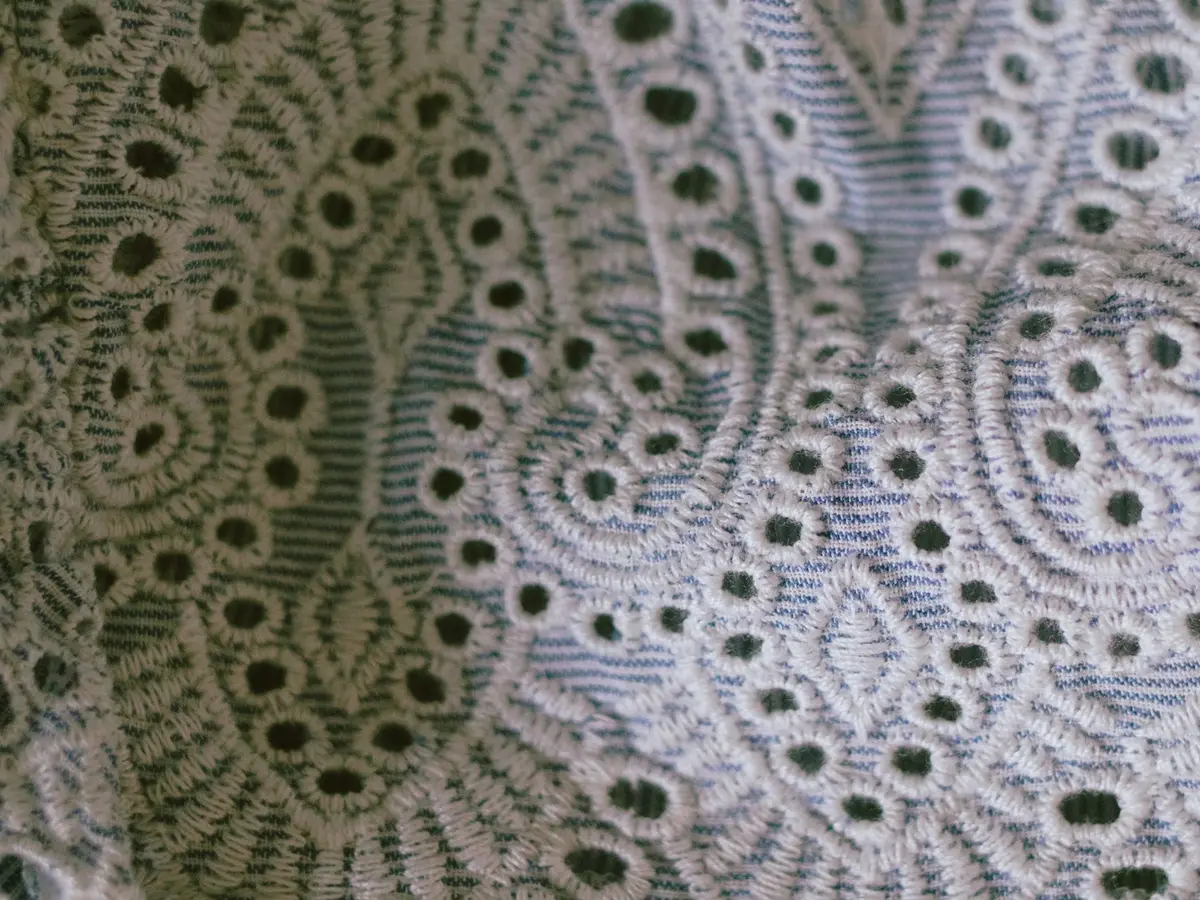 LaceAn open patterned textile made by knitting, weaving or embroidering threads into decorative motifs with transparent spaces between them.View fabric
Craft & specialty fabrics
4 fabrics
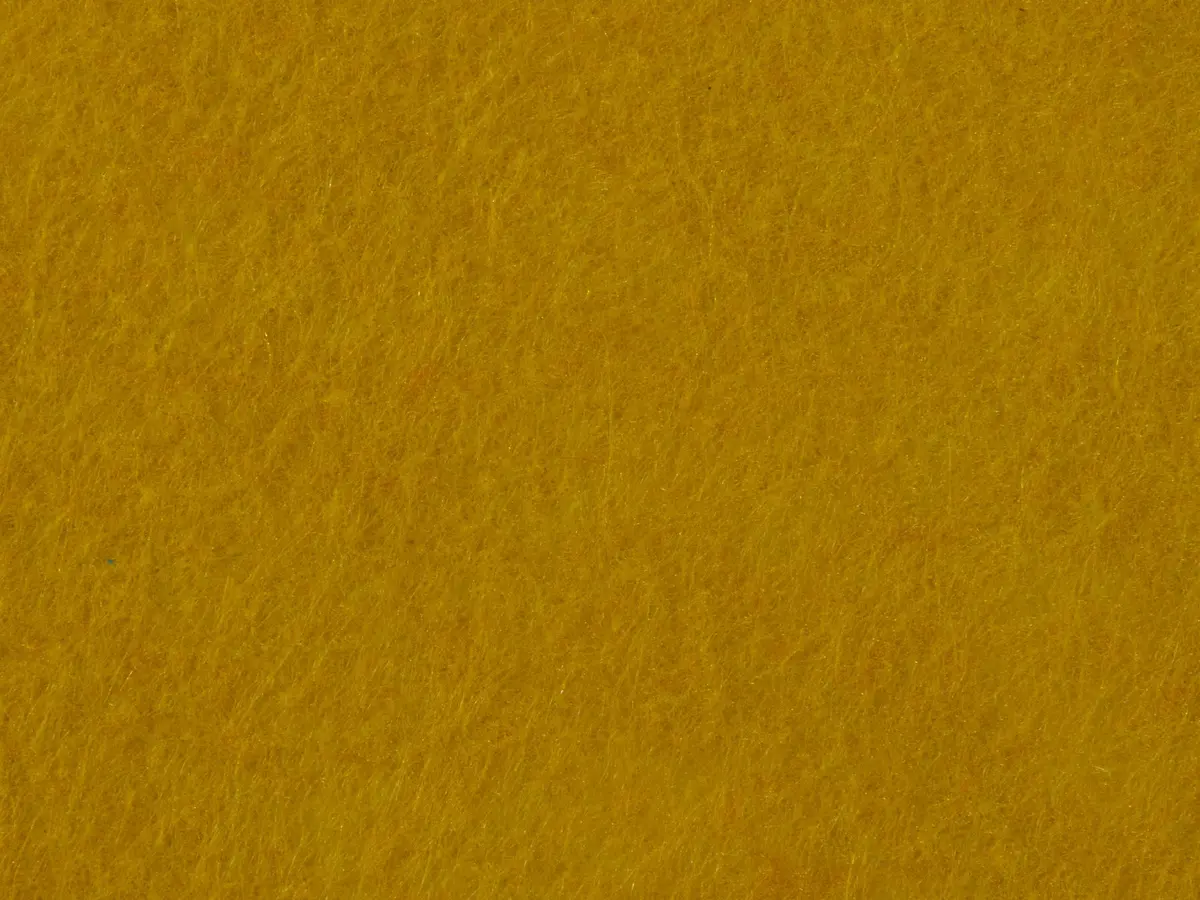 FeltA dense non-woven sheet made by matting or bonding fibres, with no grain and edges that can usually be left raw.View fabric
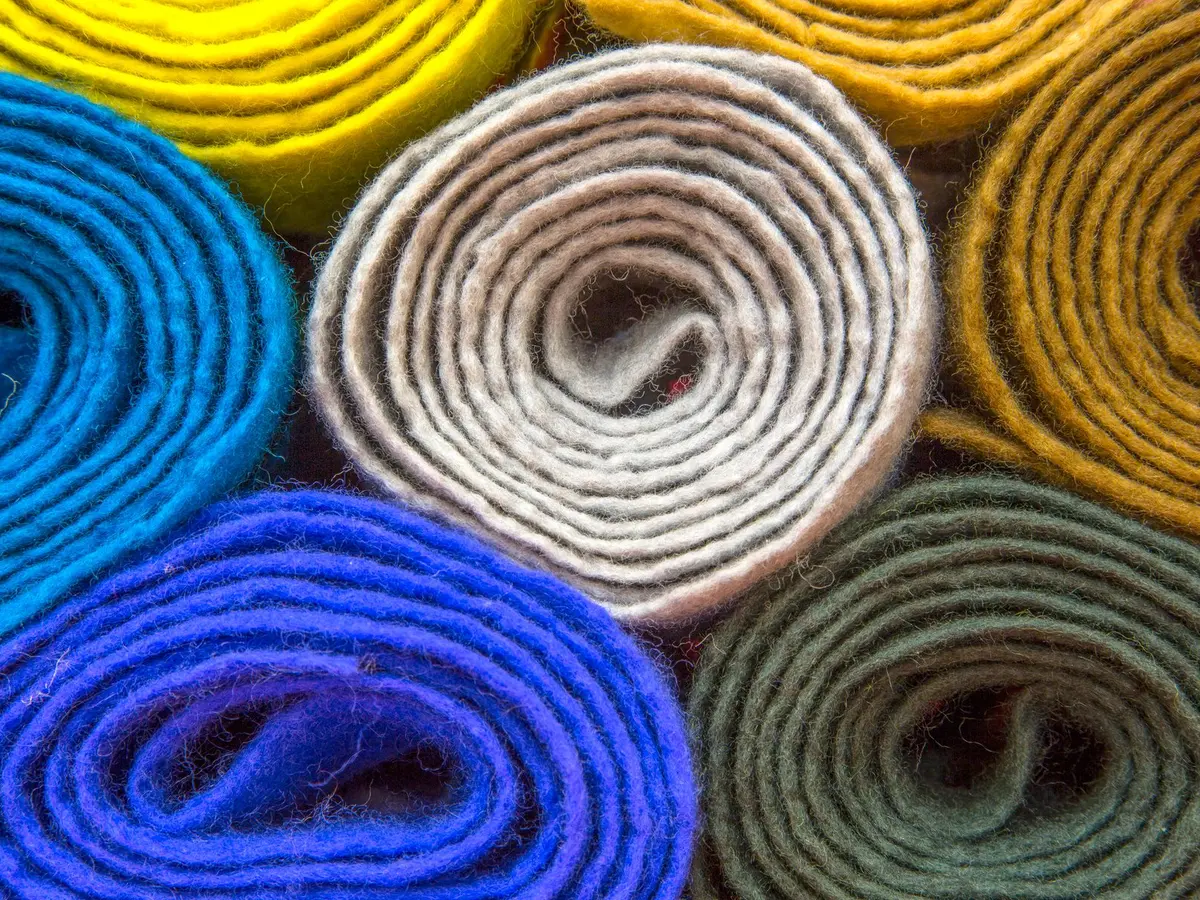 Wool feltA resilient felt made wholly or partly from wool fibres, with a rich matte surface, clean-cut edges and more recovery than most craft felt.View fabric
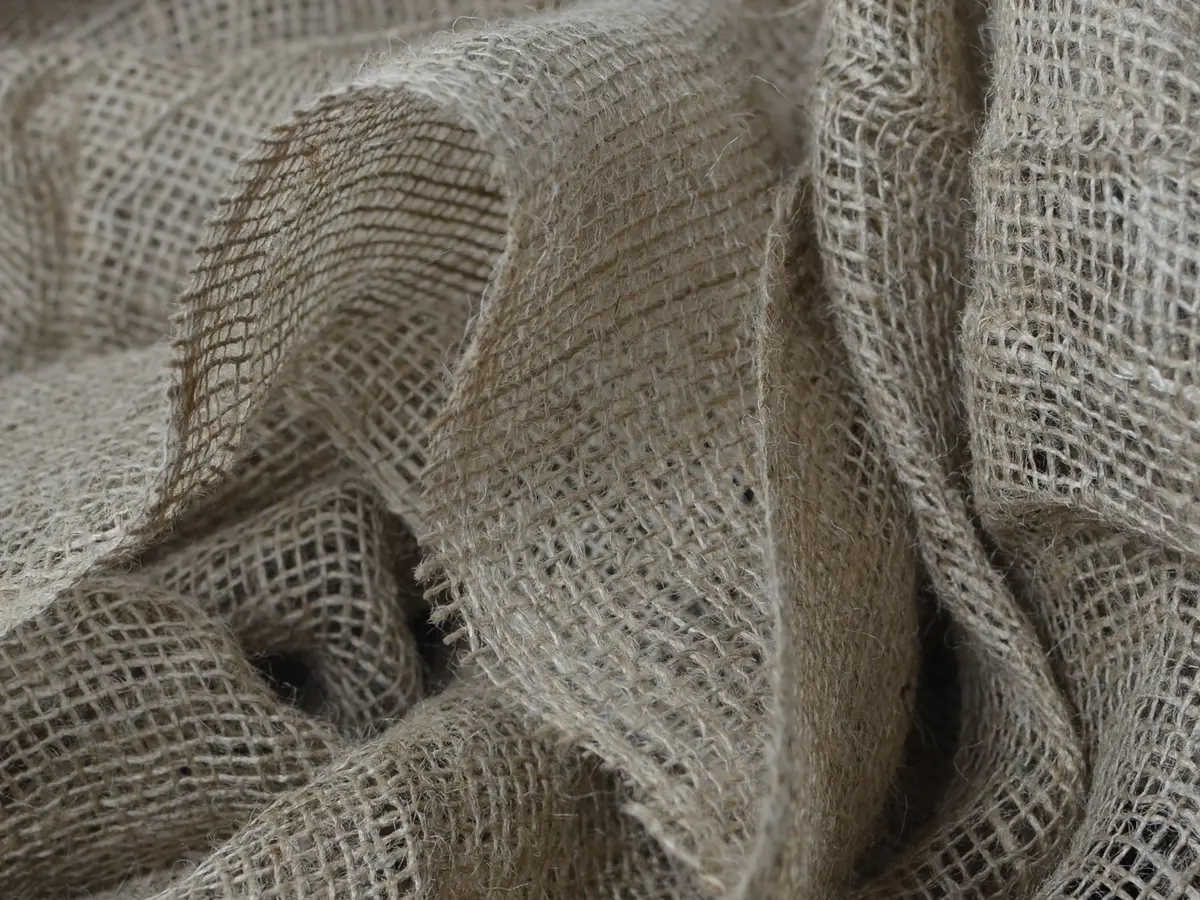 Burlap / hessianA coarse, open plain weave usually made from jute, recognised by its rustic texture, visible yarns and tendency to shed and fray.View fabric
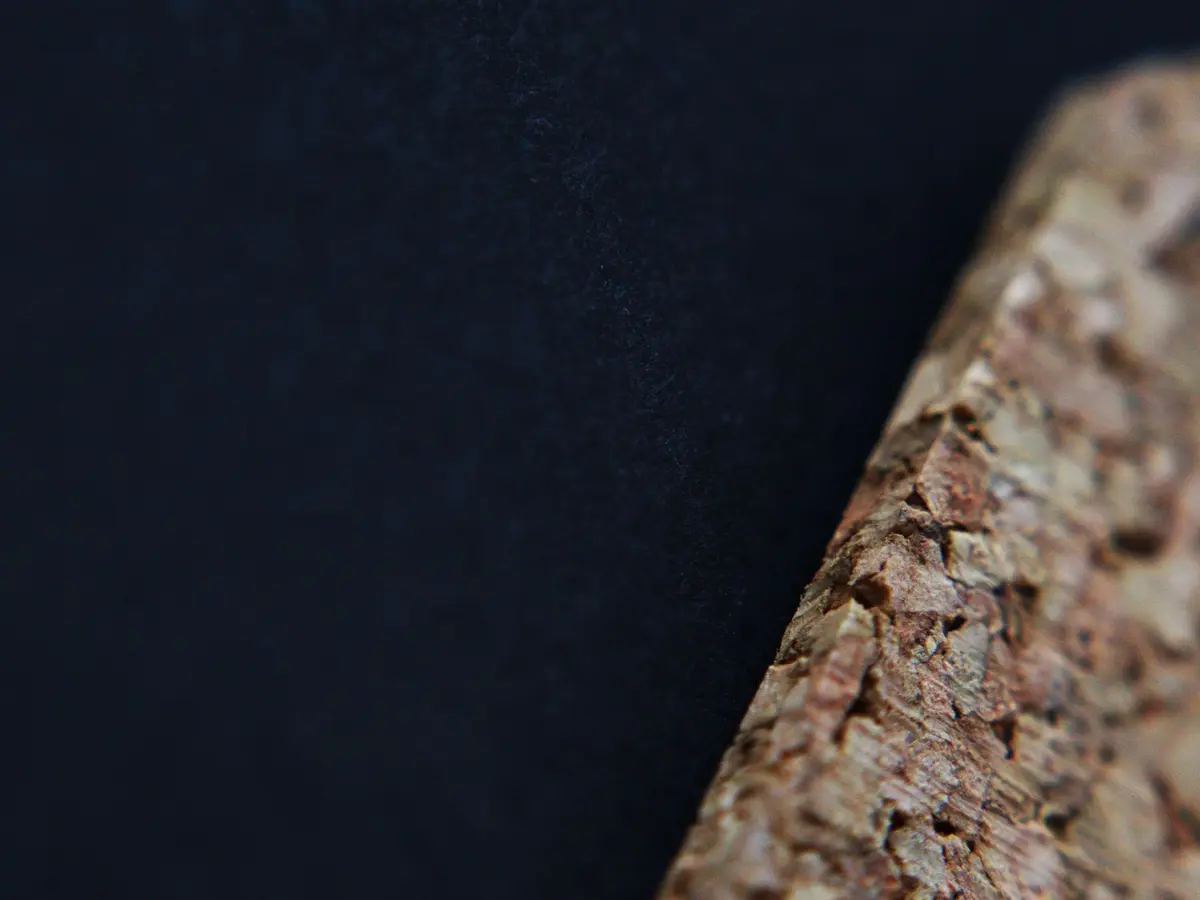 Cork fabricA thin natural cork veneer bonded to a flexible textile backing, giving a leather-like surface with distinctive grain and very little fraying.View fabric
Coated & non-woven surfaces
3 fabrics
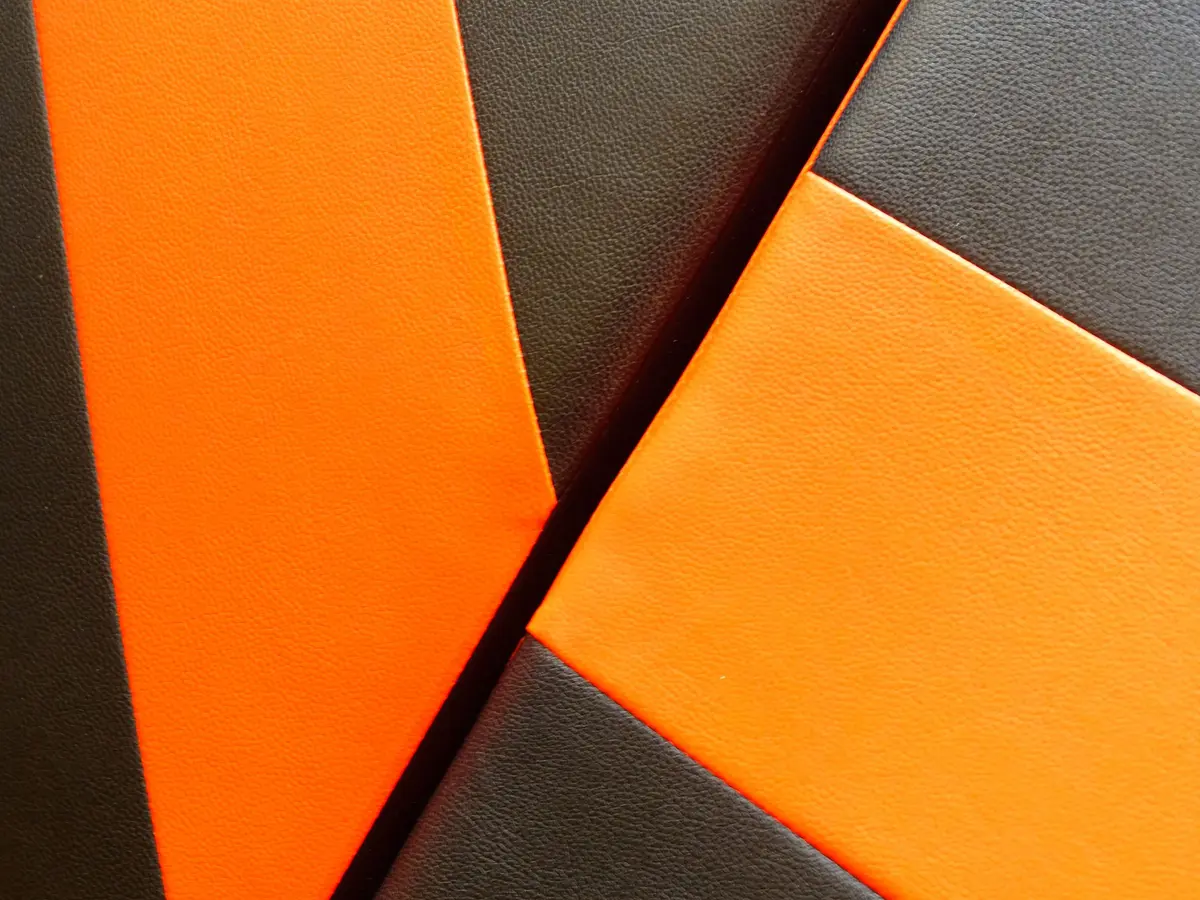 VinylA flexible plastic surface, often PVC bonded to a textile backing, that is wipeable and available in weights from table covering to upholstery.View fabric
 Faux leatherA textile-backed synthetic material coated to imitate leather, with consistent colour and grain but permanent needle holes.View fabric
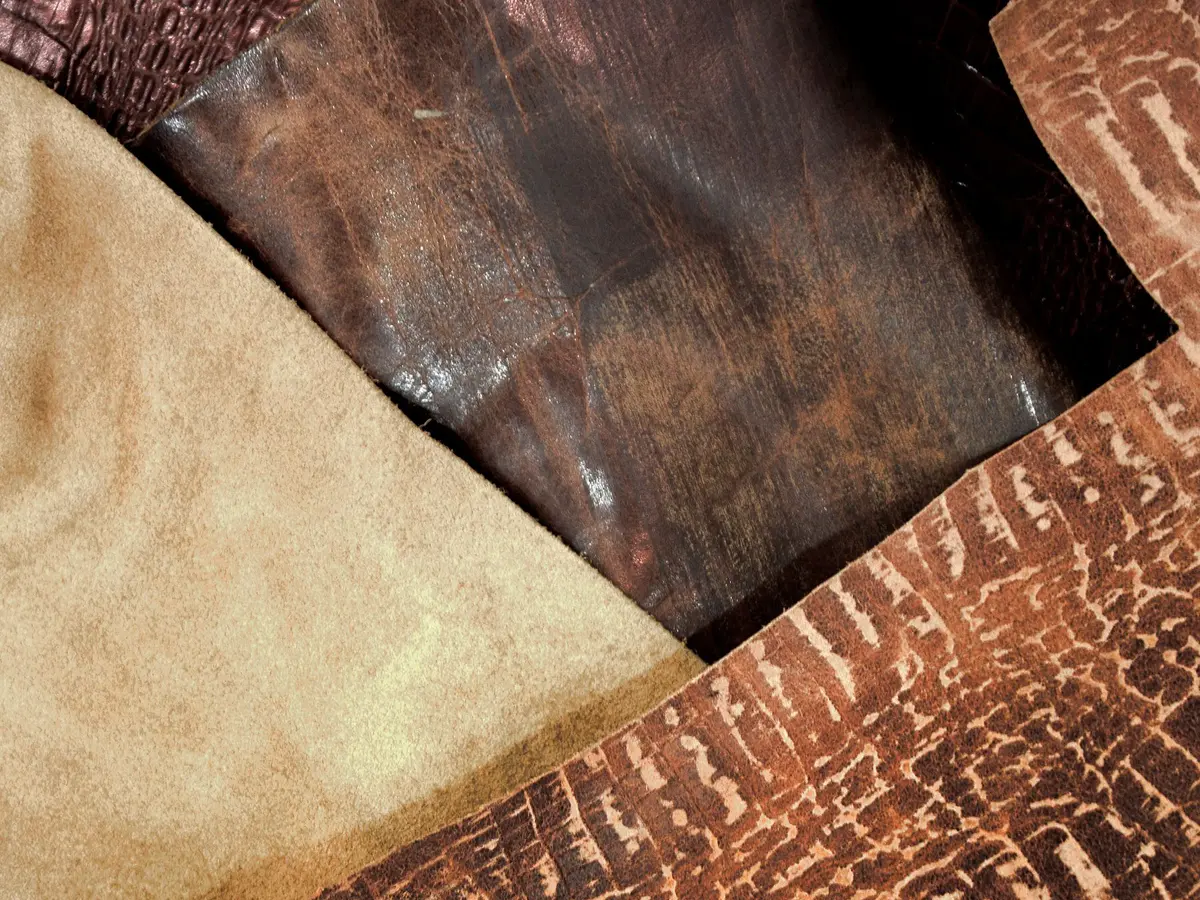 LeatherTanned animal hide with natural variation, strength and a non-woven structure; every needle hole is permanent.View fabric
44 fabric references across woven, stretch, textured, delicate, craft and non-woven surfaces. Test techniques on an offcut when possible.